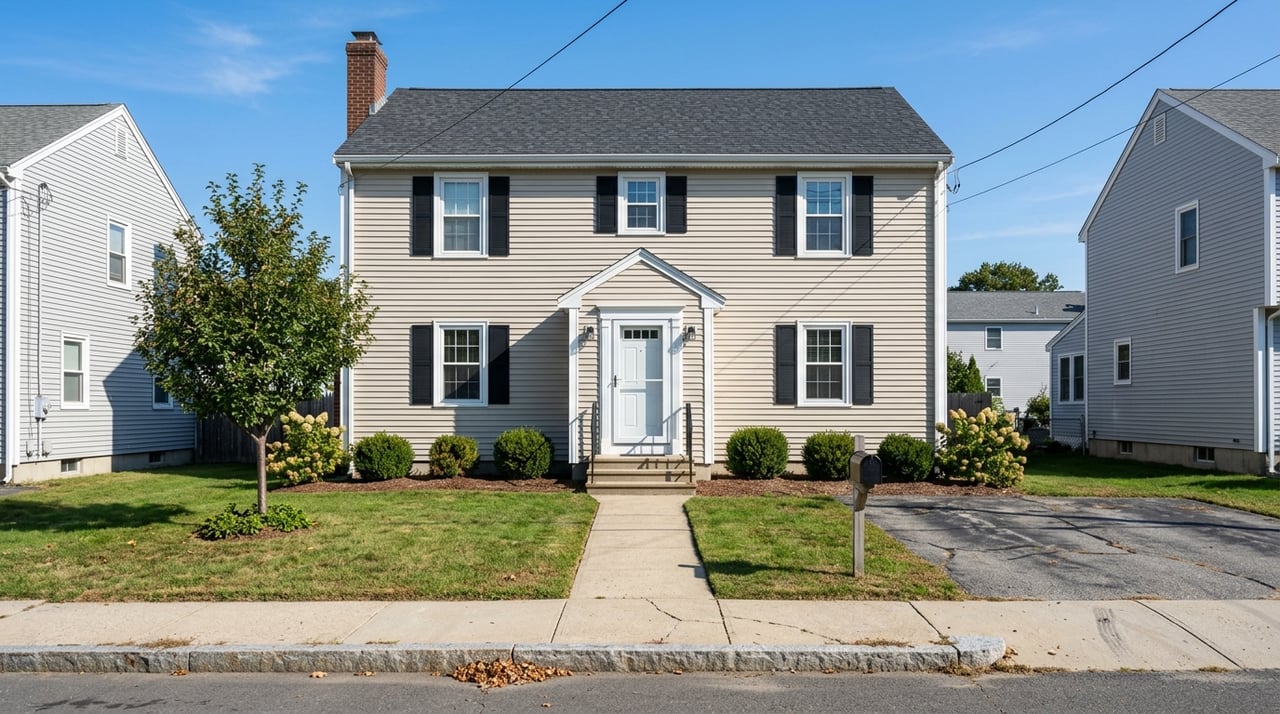
If you are thinking about buying a home in Pawtucket, you are not alone. This city offers a mix of price points, housing styles, and commuter access that keeps it on the radar for first-time buyers, move-up buyers, and people looking at small multifamily properties. The key is knowing how Pawtucket’s older housing stock, neighborhood differences, and Rhode Island-specific buying process can shape your search. Let’s dive in.
Why buyers consider Pawtucket
Pawtucket is a mid-sized Rhode Island city with more than 75,000 residents and nearly 34,000 housing units. The city highlights its connection to I-95 as a major transportation advantage, and it also points to the Pawtucket/Central Falls commuter rail station as an important redevelopment project.
For you as a buyer, that can mean practical access to jobs, services, and nearby communities, along with a market that still offers a range of housing options. It also means your decision should go beyond the list price and include commute patterns, parking, and how a specific property fits your daily routine.
What the Pawtucket market looks like
Pawtucket home prices can look a little different depending on which market report you read. Recent snapshots place the market roughly in the high-$300,000s to low-$400,000s, with Zillow showing an average home value of $396,400 in April 2026, Redfin reporting a median sale price of $437,500 in March 2026, and Realtor.com showing a median listing price of $399,900 that same month.
Those numbers are not actually conflicting as much as they are measuring different things. Some reports track listing prices, some focus on closed sales, and others estimate value, so it is smart to compare homes based on similar property types, condition, and location instead of relying on one headline number.
Speed matters too. Homes have been going pending in about 15 days on Zillow’s snapshot, while Redfin and Realtor.com showed roughly 32 to 37 median days on market. The takeaway is simple: well-priced homes can still move quickly, so preparation matters.
Housing types in Pawtucket
One of the most important things to know about Pawtucket is its housing mix. According to the city’s 2025-2029 Consolidated Plan, 40.9% of housing units are in 2-unit to 4-unit buildings, while 33.8% are single-family detached homes.
That makes Pawtucket different from many suburban markets that lean heavily toward newer single-family homes. In practical terms, you may find more opportunities here to buy a duplex, triplex, or other small multifamily property, including homes where you could live in one unit and rent the others.
This also affects how you should evaluate homes. Because much of Pawtucket’s housing is older, you will want to pay close attention to systems and upkeep during your search and inspection period.
What to expect from older homes
Older housing can offer charm, flexible layouts, and value, but it also calls for careful due diligence. In Pawtucket, buyers should be especially thoughtful about the condition of roofs, plumbing, electrical systems, and possible lead-related issues.
That does not mean older homes are a bad choice. It means you should go in with a clear plan, realistic repair expectations, and enough time in your timeline to inspect the property thoroughly before you are fully committed.
How neighborhood pricing can vary
Pawtucket is not one-price-fits-all. Realtor.com’s March 2026 neighborhood listing data ranged from about $354,900 in Beverage Hill-The Plains to about $495,000 in Pine Crest, with Darlington and Woodlawn around the low-$420,000s.
For you, this means the same budget can buy very different homes depending on where you look. One area may offer a smaller single-family home, while another may bring a condo or a small multifamily property into reach.
That is why comparing only by price can be misleading. It helps to weigh property type, condition, lot size, updates, and commuting needs alongside neighborhood location.
New development and changing inventory
Pawtucket’s inventory is not limited to older resale homes. The city says several hundred new housing units are in the pipeline, including redevelopment tied to the commuter rail station and other projects.
This could create a more varied market over time, with a mix of established homes and newer transit-oriented or downtown options. If you are deciding between character and convenience, or between immediate availability and future neighborhood change, this evolving supply picture is worth watching.
Rhode Island buying steps to know
If you are moving from Massachusetts or another state, Pawtucket’s buying process may feel a little different. Rhode Island requires a mandatory relationship disclosure from real estate licensees, and every residential purchase-and-sale agreement must acknowledge that a seller disclosure form has been provided to the buyer.
For you, that means paperwork and disclosures are a significant part of the transaction. It is important to read documents carefully and make sure you understand what has been shared, what still needs verification, and what inspections you want to include before moving forward.
Lead inspection timing matters
This is a major point in Pawtucket because of the city’s older housing stock. In Rhode Island, buyers of 1-4 family residential real estate built before 2011 have a 10-day period to conduct a lead risk assessment or inspection before becoming obligated under the contract, unless the parties agree to a different period.
Because many Pawtucket homes are older, you should plan for this early. That means budgeting both time and money for inspections and making sure your contract timeline supports the due diligence you want to complete.
Closing costs and local tax details
Rhode Island charges a real estate conveyance tax of $2.30 per $500 of consideration when the deed is recorded. The state also applies an additional $2.30 per $500 to residential real property consideration above $800,000.
This tax is traditionally paid by closing attorneys, but you should not assume every cost automatically falls to one side of the transaction. Like many closing items, it can affect negotiations, so you will want a clear estimate of your cash to close before your closing date arrives.
In Pawtucket, real estate taxes are billed quarterly, with due dates of July 15, October 15, January 15, and April 15. Delinquent balances accrue interest at 13% per year, which makes it especially important to verify tax prorations, escrow setup, and whether any unpaid taxes exist before closing.
Non-owner-occupied tax classification
If you are buying a second home or an investment property, this is worth a closer look. Pawtucket’s assessor posts a separate non-owner-occupied classification, and the city says it can apply to a wide range of residential property types, including single-family homes, condos, and two- to five-family properties.
That means your expected tax treatment may differ depending on how you plan to use the property. If you are buying for rental income or part-time use, make sure you confirm the classification directly before you make an offer.
Why attorney coordination is part of the process
Rhode Island closings often involve coordination among several parties, including your lender, title company, municipal offices, and an attorney. The state’s Department of Business Regulation requires a disclosure if a non-attorney handles the closing, stating that the person is not an attorney and cannot give legal advice.
For you, the practical takeaway is that local closings are detail-heavy. Staying organized and working with professionals who understand Rhode Island’s process can help reduce surprises as you move from contract to closing day.
Due diligence for Pawtucket homes
Pawtucket can be a strong fit if you want a value-oriented market with access to I-95, a range of housing options, and active redevelopment. But that opportunity comes with the need to look carefully at each property and not just the asking price.
A smart due diligence checklist in Pawtucket often includes:
- Roof age and visible condition
- Plumbing and electrical updates
- Basement moisture or drainage concerns
- Lead inspection timing for older homes
- Property tax status and prorations
- Owner-occupied or non-owner-occupied tax classification
- Parking, commute access, and neighborhood fit
The city has also said it is addressing frequent stormwater-related flooding in some neighborhoods through green infrastructure planning. That does not mean every home has a flood issue, but if a property is low-lying or near waterways, you should ask about drainage, basement moisture, and whether flood insurance may be relevant.
Small multifamily opportunities
For some buyers, Pawtucket stands out because small multifamily housing is so common. The city’s housing data show that 2-4 unit buildings are a major part of the local stock, and owner-occupancy in those properties is significant.
That can make Pawtucket appealing if you are considering a property that supports multigenerational living, rental income, or an owner-occupied setup. The right property can create flexibility, but it is still important to match the home to your financing, maintenance comfort level, and long-term plans.
How to approach your search wisely
The best way to buy in Pawtucket is to stay realistic and prepared. Market data suggest that competitively priced homes can move quickly, but the city’s older housing and local transaction rules mean you should not rush the parts of the process that protect you.
If you focus on your budget, target property type, inspection priorities, and commute needs early, you can search with more confidence. That kind of clarity helps you move fast when the right home appears without losing sight of the details that matter.
Buying in Pawtucket is not just about finding a house. It is about understanding the local market, the property’s condition, and the Rhode Island steps that shape the path to closing. If you want guidance that is responsive, clear, and grounded in the realities of the local market, reach out to Alex Rocher to start your home search.
FAQs
What is the typical home price range in Pawtucket, RI?
- Recent market snapshots place Pawtucket roughly in the high-$300,000s to low-$400,000s, though the exact figure depends on whether the source is measuring listing prices, sale prices, or estimated values.
What kinds of homes are common in Pawtucket, RI?
- Pawtucket has a large share of older single-family homes and 2-4 unit properties, with small multifamily housing making up a major part of the local housing stock.
What should buyers inspect closely in older Pawtucket homes?
- Buyers should pay close attention to roofs, plumbing, electrical systems, basement moisture, drainage concerns, and possible lead-related issues, especially in older properties.
What is Rhode Island’s lead inspection period for homebuyers?
- For 1-4 family residential real estate built before 2011, Rhode Island gives buyers a 10-day period to conduct a lead risk assessment or inspection before becoming obligated under the contract, unless the parties agree to a different timeframe.
Are property taxes in Pawtucket billed annually or quarterly?
- Pawtucket real estate taxes are billed in quarterly installments, with due dates of July 15, October 15, January 15, and April 15.
What should investment property buyers verify in Pawtucket, RI?
- Buyers considering a second home or investment property should verify the city’s non-owner-occupied tax classification and confirm how that classification applies to the specific property they want to buy.