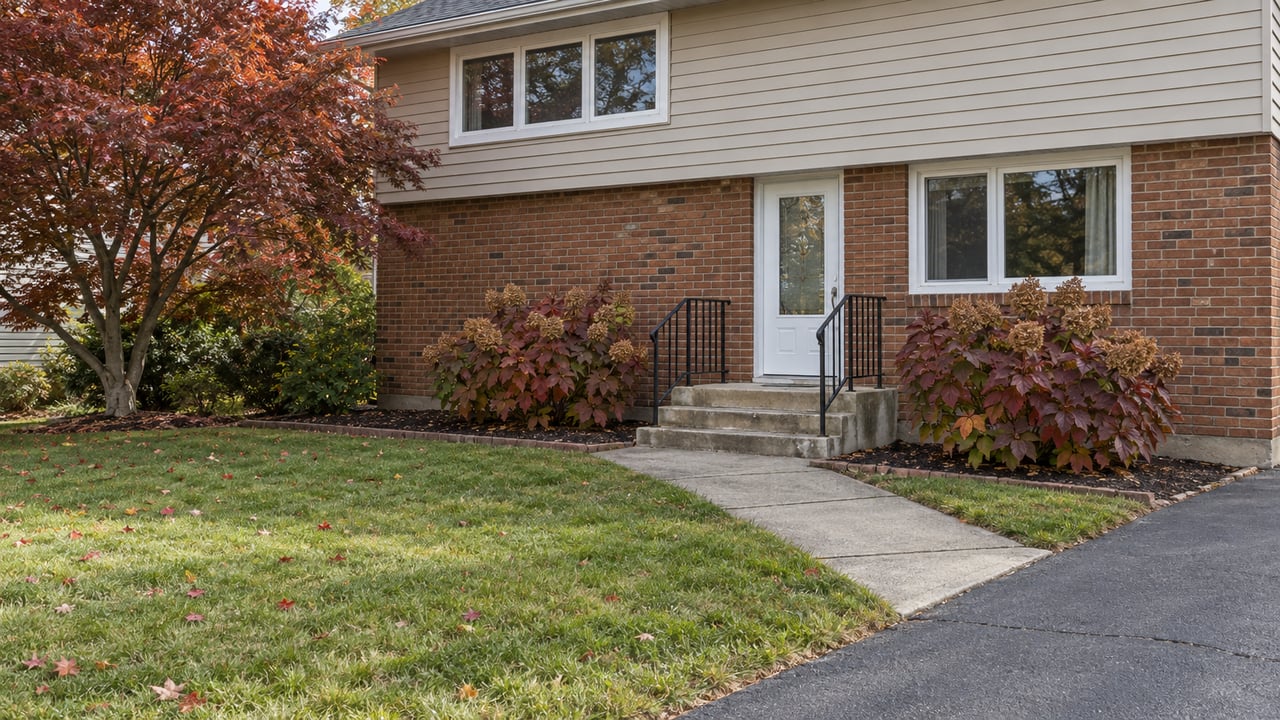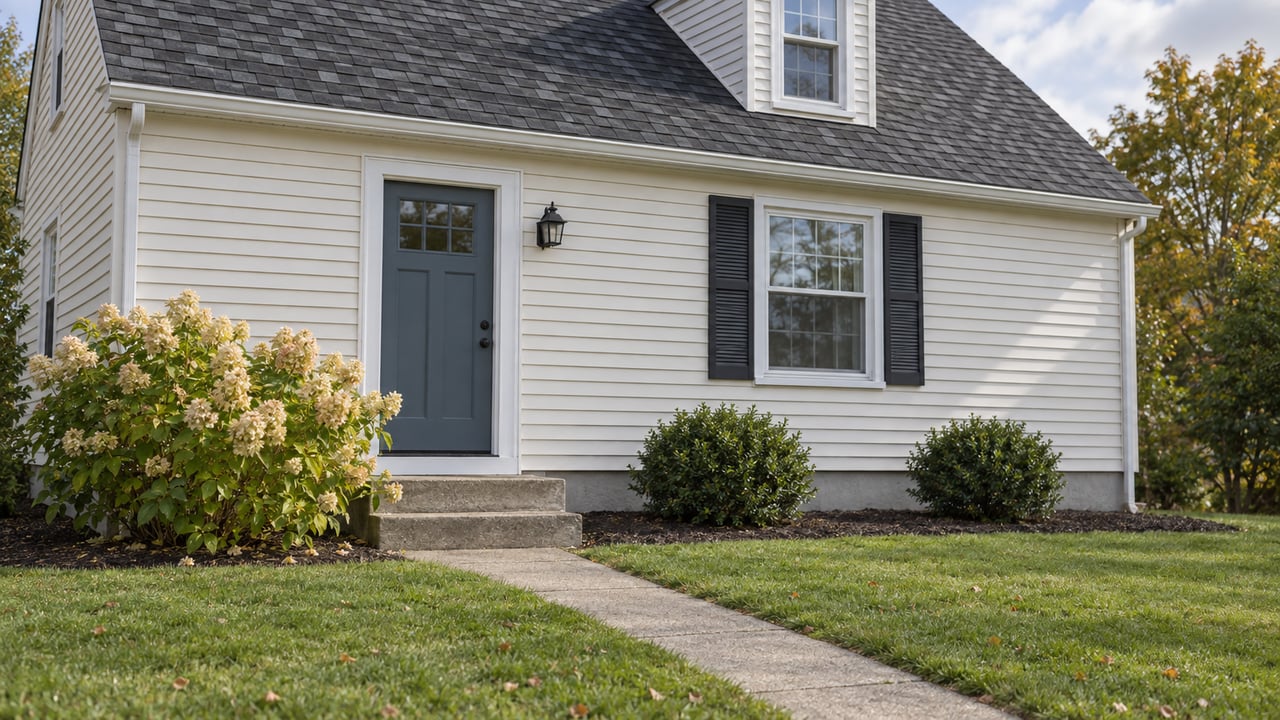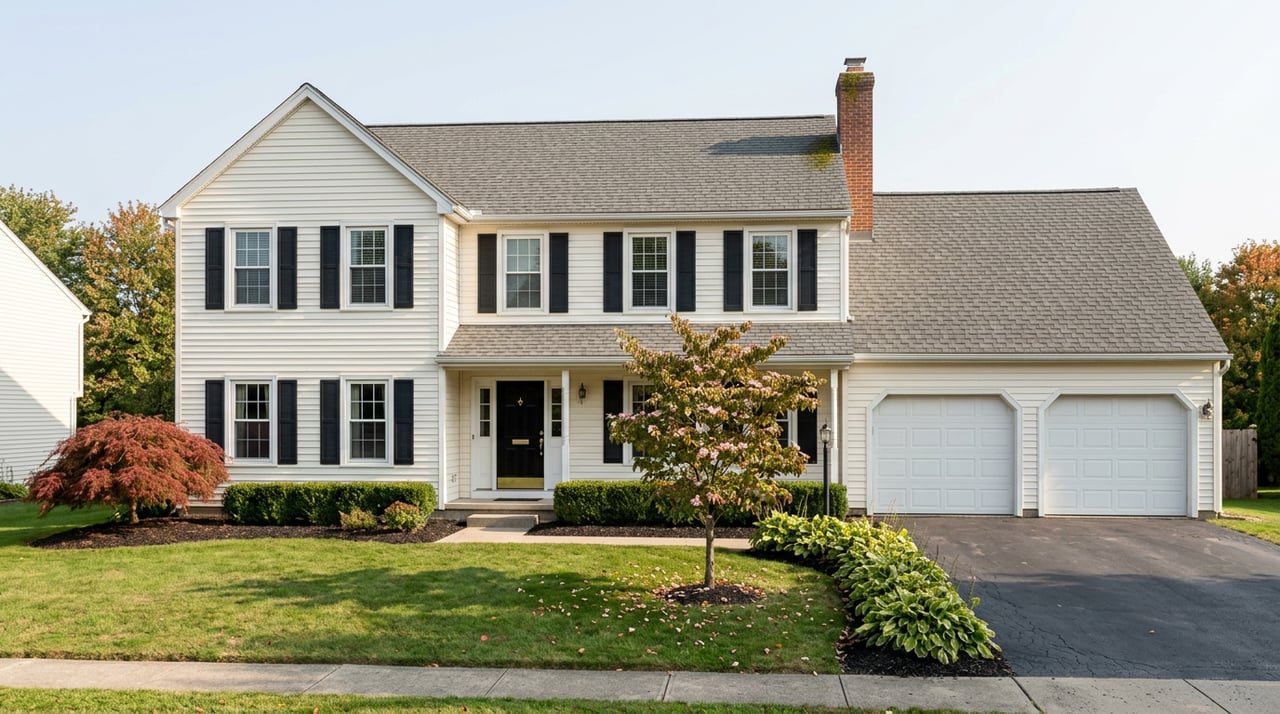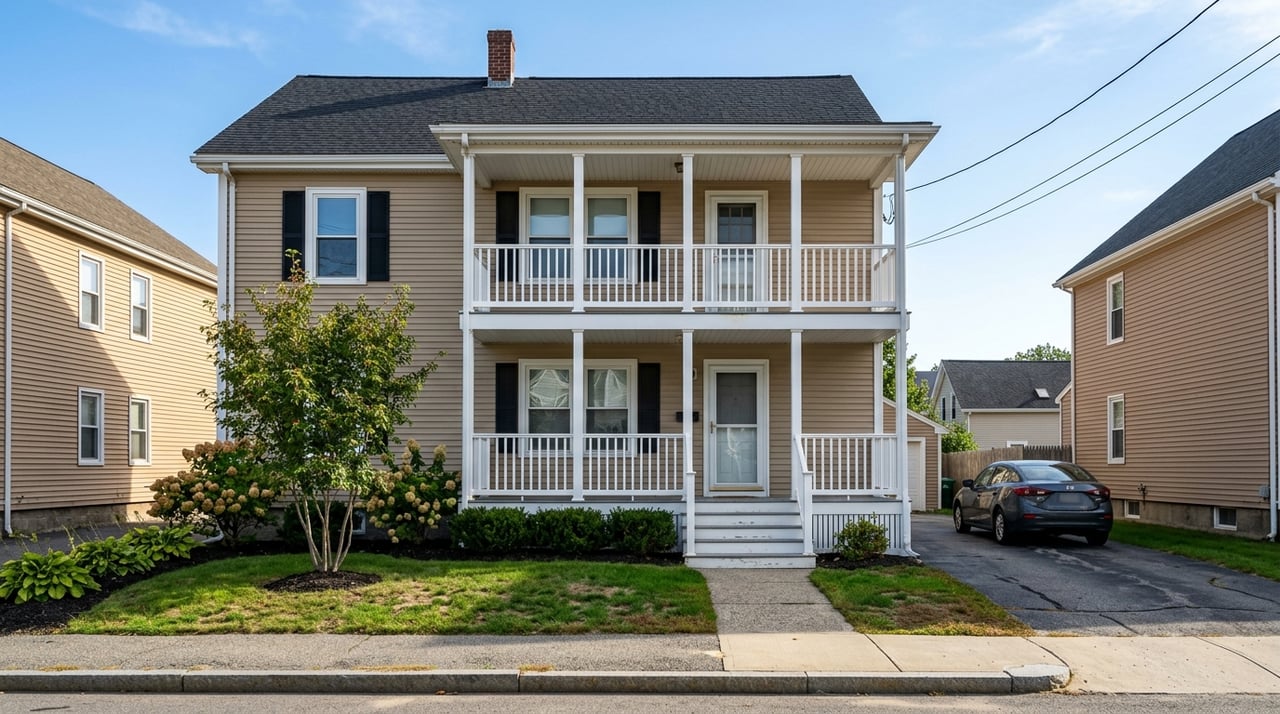
If you are looking at multifamily property in Brockton, it helps to know this is not a market where you can rely on broad assumptions. Brockton offers real opportunity, but the numbers point to a market driven by affordability, older housing stock, and careful operations more than rapid growth. If you want to buy, hold, house hack, or sell a multifamily property here, understanding the local data can help you make smarter decisions. Let’s dive in.
Brockton multifamily market basics
Brockton is a large Gateway City in the Old Colony region, with an estimated 105,788 residents and about 36,338 housing units as of July 2024, according to U.S. Census QuickFacts. The city has a 57.4% owner-occupied rate, a median household income of $80,115, and a median gross rent of $1,641.
Those figures matter because they help explain how the local rental market tends to behave. Compared with the statewide median household income of $101,341, Brockton operates more like an affordability-driven rental market than a luxury market, as shown in the Old Colony region housing snapshot.
Population growth has also been modest. Census data shows Brockton grew only 0.1% from 2020 to July 2024, which suggests multifamily performance here is often tied more to rent collection, unit layout, condition, and operating discipline than to fast population-driven appreciation.
Small multifamily drives the market
One of the most important things to know about Brockton is that small multifamily properties are not a niche segment. They are a major part of the housing stock and a major part of the local tax base.
A current Brockton housing report says 28% of units are in two- to four-family buildings, while 22.2% are in buildings with five or more units. The same report shows 50% of units are in single-family homes, which gives you a useful picture of the city’s overall housing mix.
The city’s FY2026 tax classification packet reinforces that point. It lists 2,070 two-family parcels, 1,512 three-family parcels, and 416 apartment parcels in Brockton. If you are considering a duplex, triple-decker, or small apartment building, you are looking at a property type that is central to the city, not unusual.
Older housing stock changes the math
Brockton’s multifamily market is heavily tied to older buildings. The housing report notes that 37% of housing units were built before 1939, and only 3.6% were built since 2000.
That has real implications for buyers and owners. In this market, your returns often depend as much on maintenance planning, systems upgrades, code compliance, and realistic rehab budgets as they do on rent growth.
This is also one reason Brockton tends to reward careful due diligence. In a newer market, you might spend more time focused on finishes and rent comps alone. In Brockton, you also need to pay close attention to roofs, plumbing, electrical systems, deferred maintenance, and building history.
Zoning and supply matter in Brockton
If your strategy involves adding units, converting space, or buying a property with upside, zoning deserves a close look. Brockton’s master planning materials reference R-2 zoning for two- and three-family housing and R-3 zoning for greater density, and the city also adopted an MBTA Communities Multi-family Overlay District in late 2024 to allow multifamily housing as of right in a 344-acre station-area overlay.
Massachusetts also permits accessory dwelling units by right on qualifying single-family lots statewide, effective February 2, 2025, according to the same planning source. For some buyers and owners, that opens up another path to added flexibility, depending on the parcel and local requirements.
Still, Brockton is described by Mass.gov as a dense, largely built-out urban center with limited developable upland. That means the local supply path often looks more like rehab, conversion, and infill than large-scale greenfield development, as outlined in the regional housing snapshot.
Rent benchmarks by unit size
When you evaluate a Brockton multifamily property, bedroom mix matters. A two-bedroom or three-bedroom unit may support a very different income model than a studio or one-bedroom.
The Census reports a median gross rent of $1,641 for Brockton for the 2020-2024 period. Current listing-based averages from Apartments.com’s Brockton market guide show about $1,730 for a one-bedroom, $2,094 for a two-bedroom, and $2,456 for a three-bedroom.
The research also notes HUD FY2026 fair market rents for Brockton’s metro area at $1,761 for a one-bedroom, $2,311 for a two-bedroom, and $2,889 for a three-bedroom. While every property needs its own comp set, the big takeaway is simple: unit count and bedroom count can materially change cash flow assumptions.
Pricing is not cheap enough for sloppy underwriting
Brockton is sometimes viewed as a more affordable option compared with some Greater Boston markets, but that does not mean mistakes are easy to absorb. According to Redfin’s Brockton housing market data, the citywide median sale price was $485,000 in February 2026, up 2.1% year over year.
That figure is a broad city benchmark, not a multifamily-only number, but it still offers a useful reminder. If you underestimate rehab costs, overstate rent potential, or ignore operating expenses, the margin for error may be tighter than you expect.
Taxes should be in every calculation
Property taxes are a major line item in Brockton, and they should be modeled carefully before you make an offer. The city’s FY2026 packet shows a residential tax rate of $12.11 per $1,000 of assessed value and a commercial, industrial, and personal property rate of $24.20.
The same document gives example annual tax bills of about $7,353 for an average two-family and $8,251 for an average three-family. Since apartments are also listed in the residential property class, small multifamily assets should generally be modeled using the residential rate, while any mixed-use or commercial component should be analyzed separately.
For investors, this is one of the easiest places to make a spreadsheet error. If you are comparing Brockton to another market, make sure your tax assumptions reflect the actual local classification and not a rough estimate.
Compliance and capex are not side issues
Because so much of Brockton’s stock is older, compliance planning belongs in your initial underwriting. The Massachusetts lead law applies to residential property built before 1978, with disclosure duties for owners and landlords, and hazard removal or covering required where children under 6 live.
That matters in Brockton because the housing stock skews old. If you are buying a multifamily property here, lead risk, electrical updates, plumbing condition, turnover costs, and deferred maintenance should be treated as core deal variables, not afterthoughts.
This is especially important for first-time multifamily buyers and house hackers. A property that looks attractive on paper can become far less attractive if your rehab scope is incomplete or your compliance budget is unrealistic.
Watch supply and vacancy trends closely
Another smart way to read the Brockton multifamily market is to watch what is coming online and how quickly units are being absorbed. According to Massachusetts building permit survey data, Brockton permitted 45 units in 2024, down from 61 in 2023, 35 in 2022, 143 in 2021, and 284 in 2020.
That suggests the near-term new supply pipeline is not especially large right now. Even so, citywide numbers only tell part of the story, so it still makes sense to track neighborhood-level competition, property condition, and any new project announcements.
Vacancy is another metric to treat with care. A 2025 HUD allocation plan cites a 6% vacancy rate for Brockton, while an older regional plan found rental vacancy at 10.2% in the 2011-2015 ACS period. The practical lesson is that vacancy can shift, so your underwriting should rely on current, condition-specific comps rather than one citywide average.
A practical Brockton due diligence checklist
If you are evaluating a multifamily purchase in Brockton, focus on the basics that most affect performance:
- Confirm legality of the unit count under the applicable zoning district, overlay, or ADU rules
- Compare asking rents by bedroom count against local listings and HUD rent benchmarks
- Model taxes accurately using Brockton’s current property tax classifications
- Check build year and lead-law exposure if the property predates 1978
- Price rehab honestly, including parking, utilities, turnover, and older-building repairs
- Review occupancy assumptions carefully based on current submarket conditions and property condition
This kind of checklist is not flashy, but it is often what separates a solid multifamily purchase from a stressful one.
What this means for buyers and sellers
For buyers, Brockton can offer meaningful opportunity if you stay disciplined. The market appears best suited to people who understand how to evaluate older small multifamily properties, match rents to real local demand, and avoid overpaying for cosmetic upside that hides capital needs.
For sellers, local data can help position a property more effectively. If you own a two-family, three-family, or small apartment asset, buyers are likely paying close attention to unit mix, tax burden, condition, zoning, and recent updates. Clear documentation and a realistic pricing strategy can make a big difference.
Whether you are buying your first multifamily, adding to your portfolio, or preparing to sell, local knowledge matters. If you want guidance on Brockton multifamily opportunities and how they fit your goals, connect with Alex Rocher for a practical, data-driven conversation.
FAQs
What makes the Brockton multifamily market different from other Greater Boston areas?
- Brockton appears to be more affordability-driven, with older housing stock, modest recent population growth, and a strong concentration of small multifamily buildings.
What rents should you expect for Brockton multifamily units?
- Current listing-based averages cited in the research show about $1,730 for a one-bedroom, $2,094 for a two-bedroom, and $2,456 for a three-bedroom, though exact rents depend on location, condition, and layout.
What property types are common in Brockton multifamily investing?
- Two-family, three-family, and other small multifamily properties are especially common and make up an important part of the city’s residential housing base.
What taxes should you plan for on a Brockton multifamily property?
- Brockton’s FY2026 residential tax rate is $12.11 per $1,000 of assessed value, and buyers should also separate out any mixed-use or commercial portion when underwriting.
What should you check before buying an older Brockton multifamily building?
- You should review zoning, legal unit count, current rents, lead-law exposure, deferred maintenance, utilities, parking, and a realistic rehab budget before moving forward.