Thinking about selling your Norfolk home but not sure when to list? Timing can influence how quickly you sell and how much you net at closing. In Greater Boston suburbs like Norfolk, seasonality shapes buyer demand, competition, and days on market. In this guide, you’ll learn how Norfolk’s seasonal rhythm works, what metrics to watch, and exactly how to plan your prep so you can list with confidence. Let’s dive in.
Norfolk seasonality at a glance
Norfolk follows the broader Greater Boston pattern, where buyer activity rises in late winter and peaks in spring. Inventory also increases, but early spring demand often outpaces supply, which can support faster sales and stronger pricing.
- March to May: Buyer interest ramps up and often peaks. This is commonly the most favorable window for healthy competition and price performance.
- June to July: Still strong. Many buyers aim to close before or during summer, and activity remains steady even as more homes hit the market.
- August to October: Activity tapers off. Buyers can become more selective and days on market may lengthen.
- November to February: Lowest activity. There is less competition among listings, but you may see longer marketing times and more negotiation.
These patterns show up in key metrics such as days on market, sale-to-list price ratio, and months of supply. In spring and early summer, days on market typically shorten and sale-to-list ratios often improve, especially when multiple offers are common.
What to check before you decide
Before you pick a listing date, review Norfolk’s latest market snapshot. You or your agent should pull month-by-month data for the last 12 to 18 months to see both the baseline trend and seasonal swings.
Key metrics to review:
- Median sale price (12-month trend and month-by-month)
- Average and median days on market
- New listings and pending sales by month
- Active inventory and months of supply
- Sale-to-list price ratio
- Price per square foot trends
- Comparable active and recently sold homes (bedrooms, lot size, style)
- Mortgage rate environment and buyer preapproval strength
- Local school calendar and typical move timing for family buyers
Ask your agent to source a Norfolk-specific snapshot from the local MLS. Complement it with statewide or regional reports for context. Comparing Norfolk to Norfolk County and the Greater Boston suburbs can show whether the town is tracking the broader trend or diverging.
A simple framework to time your sale
Use this step-by-step approach to choose the right month for your situation.
1) Clarify your timeline
- Do you have a must-move-by date?
- Are you targeting a summer closing for convenience?
- Do tax or financial factors influence your timing?
2) Check current market indicators
- If months of supply is under 4 and days on market is low, it points to a seller’s market. Listing sooner can be advantageous.
- If months of supply is over 6, buyers may have more leverage. Consider a sharper pricing strategy or wait, if you can.
3) Evaluate your competition
- Review comparable homes that are listed or expected to list in your window.
- If a cluster of similar homes will hit at once, you can shift your date or invest more in prep to stand out.
4) Align with buyer preferences
- Family buyers often prefer to close in late spring or summer. Listing in late winter or early spring helps you catch that wave.
- Commuter professionals may buy year-round, but many still favor convenient closing windows.
5) Watch mortgage rates
- If rates are rising and demand may soften, leaning into a stronger seasonal month can help.
- If rates are stabilizing or falling, the buyer pool may expand, which can support a later listing date within the season.
When to list in Norfolk by goal
Max price and speed
List in early spring, from March through May, when buyer demand typically runs strongest. This window often brings more showings and the potential for better sale-to-list outcomes.
Move between school years
If you want a May to July closing, list in February or March. That timing allows for marketing, negotiation, and a smooth path to closing during the summer.
Less competition or easier logistics
If you value fewer showings and less weekly prep, listing in late fall or winter can work. Expect fewer buyers and potentially longer days on market, but you may face less competition from similar homes.
Summer sellers
June through August remains active, especially for motivated buyers targeting a summer move. Inventory can be higher, so you’ll want strong presentation and smart terms to stand out.
Prep timeline to hit your target window
Plan 8 to 12 weeks from first conversation to list date. This timeline is a practical starting point for most Norfolk homes.
- Week 1: Select an experienced local agent and request a 12-month Norfolk market snapshot with month-by-month metrics and comp schedule.
- Weeks 1–2: Align on pricing strategy. Map your repair list. Consider a pre-list home inspection if you expect buyer questions on systems.
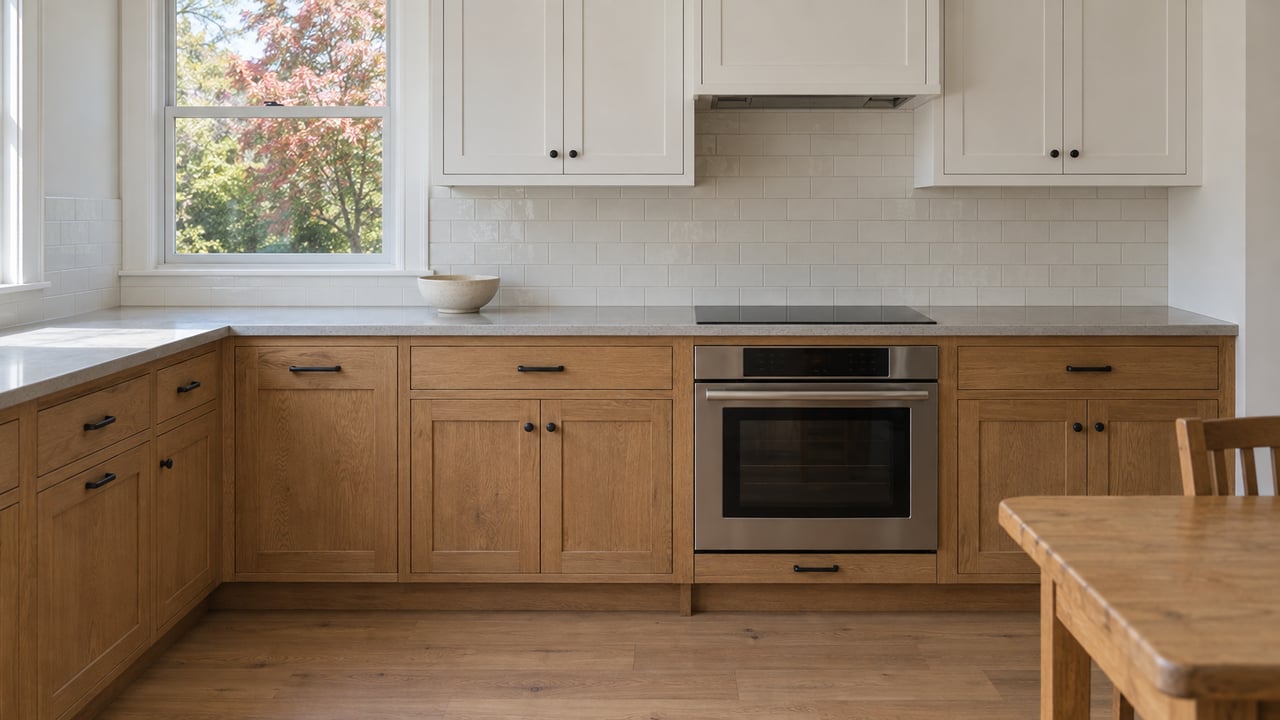
- Weeks 2–4: Declutter, deep clean, complete minor repairs, and finalize staging decisions.
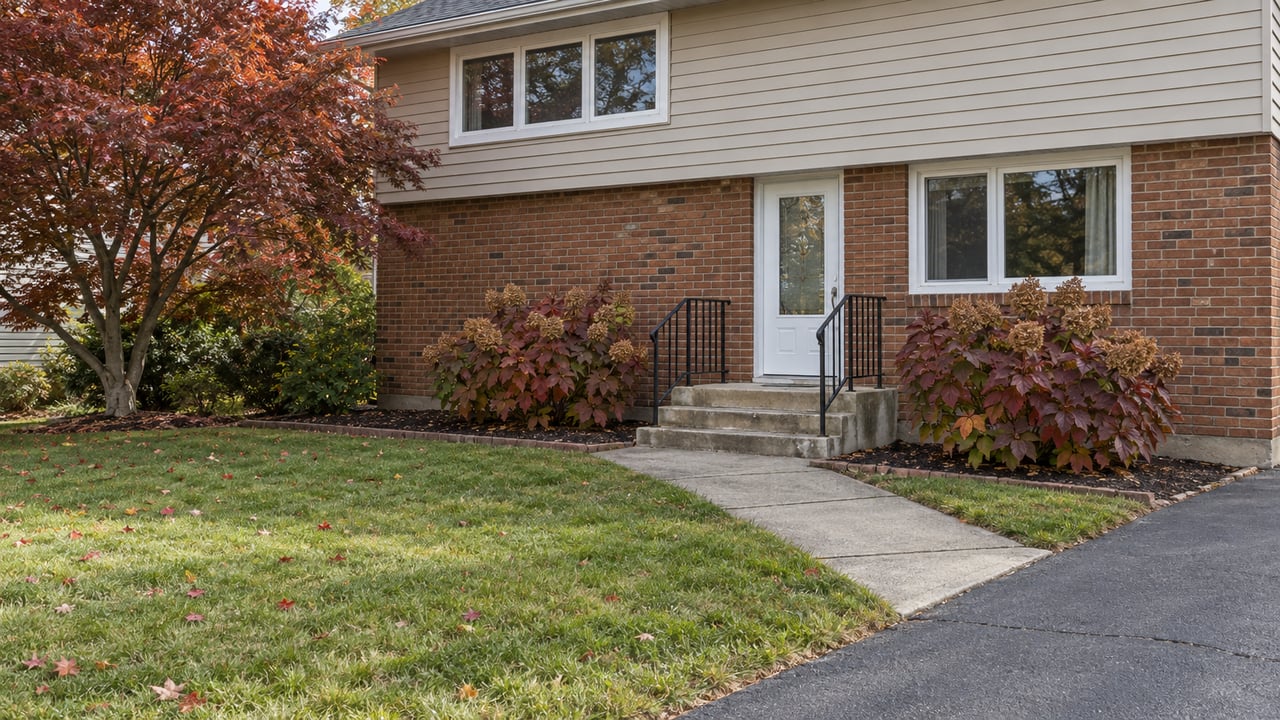
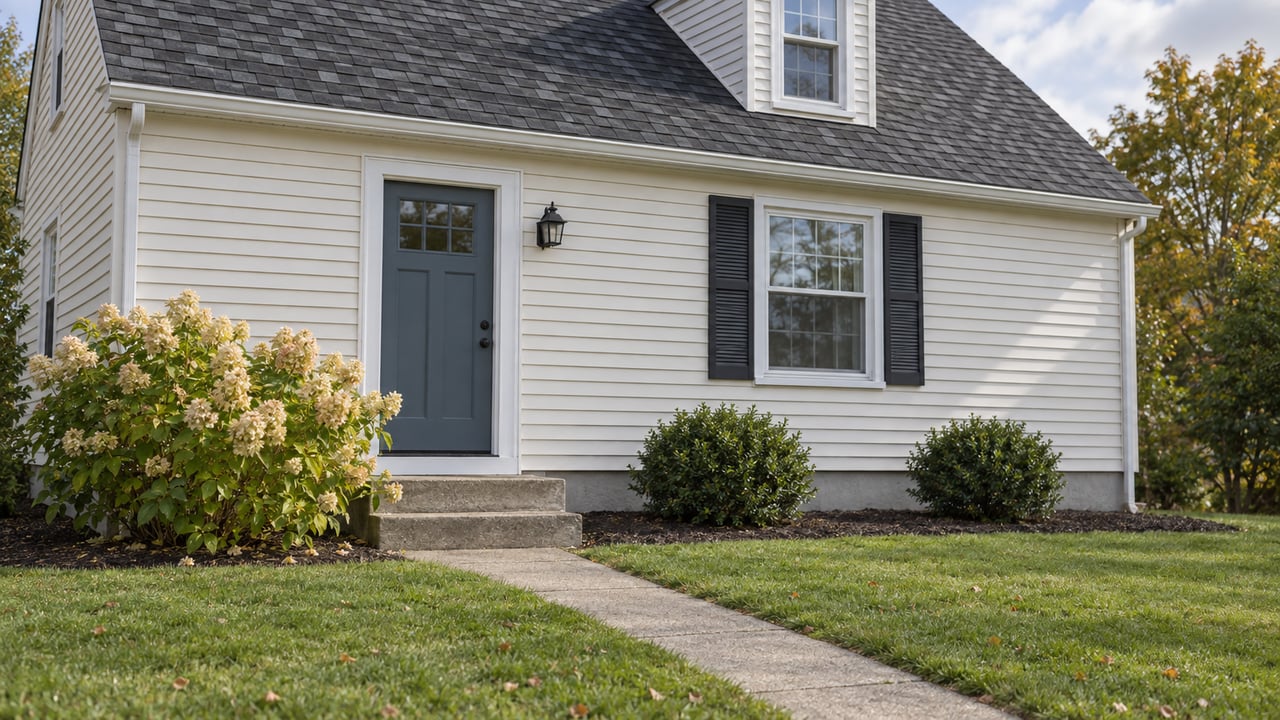
- Weeks 3–6: Improve curb appeal. Refresh beds and mulch, prune shrubs, power wash exterior, and address roof or gutter issues. Book professional photos and a floor plan.
- Weeks 6–8: Final staging and photography. Build the marketing plan and set your go-live date to align with buyer activity.
- Weeks 8–12: Launch your listing and follow a showing and open house schedule designed to maximize early momentum.
Pre-spring tactics that work
- Focus on curb appeal as winter fades. Prune, clean the driveway and walkways, and refresh mulch. Small exterior updates like new house numbers can pop.
- Service heating and HVAC systems so buyers feel confident about New England weather demands.
- Use warm, bright photography with early spring landscaping. Go live Tuesday through Thursday to capture midweek attention.
- If inventory is tight, a price strategy that attracts early-bird buyers can help generate strong first-week activity. Only use this if current metrics support it.
Smart summer strategies
- Highlight summer living. Showcase air conditioning, outdoor spaces, and landscaping.
- Be flexible with showings. Weekend open houses and weekday evening appointments can increase traffic.
- Differentiate on presentation and terms if inventory is higher. Consider flexible closing dates or a pre-inspection to reduce friction.
Year-round tactics that boost results
- Pre-inspection and clear disclosures reduce surprises and can shorten time to contract.
- Professional staging and photography consistently improve online engagement and support stronger pricing.
- Robust digital marketing and virtual tours help reach commuter buyers who search remotely.
Common pitfalls to avoid
- Overpricing in slower months. If you list in late summer or fall, stay aligned with the latest comps and buyer demand.
- Ignoring months of supply. Use this as a gating metric when choosing your list date and pricing strategy.
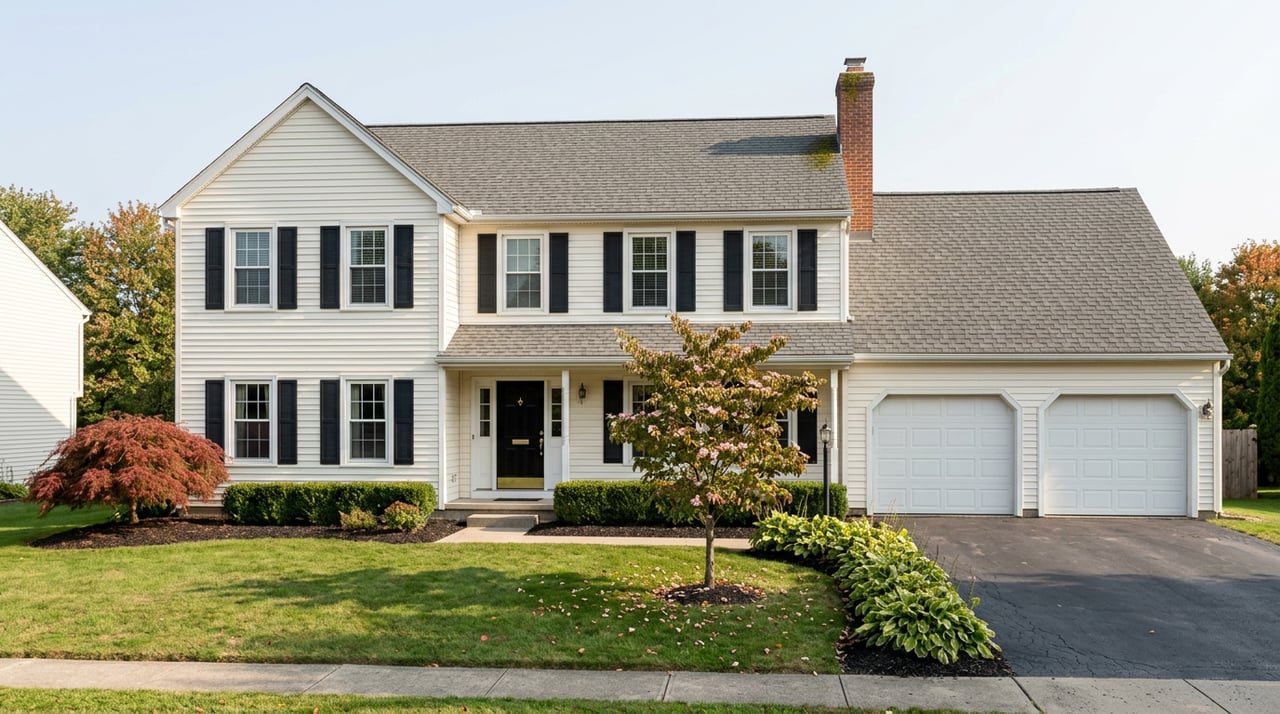
- Skipping curb appeal. In a suburban market like Norfolk, exterior presentation is a key first impression.
- Inflexible showings. Convenience matters. The easier it is to tour your home, the more buyers you’ll attract.
Next steps for Norfolk homeowners
If you’re planning a sale in the next 3 to 6 months, start with a tailored Norfolk market snapshot and a prep plan that fits your goals. Then map your listing calendar to the strongest seasonal window you can realistically hit. When you combine thoughtful timing with polished presentation, you increase your odds of a faster sale and a better outcome.
If you’d like a local read on timing, a custom prep checklist, and a premium marketing plan for your home, reach out to Alex Rocher. We’ll help you align your timeline, pricing, and presentation so you can move forward with clarity and confidence.
FAQs
What month is best to list a home in Norfolk?
- Spring is typically strongest in Greater Boston suburbs, with March to May often delivering faster sales and better price performance. Confirm with current Norfolk data.
How do mortgage rates affect the best time to sell?
- Rising rates can shrink the buyer pool and lengthen days on market. If rates climb, lean into a stronger seasonal month. If rates ease, demand may improve later in the season.
Does school-year timing matter for Norfolk sellers?
- Yes, especially for family buyers. Listing in late winter or early spring helps you secure a late spring or summer closing that aligns with school calendars.
Is selling in winter a bad idea in Norfolk?
- Not necessarily. You’ll face less competition, though buyer traffic is lighter. Expect longer days on market and more negotiation, but fewer similar homes to compete with.
What metrics should I check before picking a list date?
- Review months of supply, days on market, median price trends, sale-to-list ratio, and upcoming comparable listings. Use a 12- to 18-month view to see seasonality.
How far in advance should I start prepping to sell?
- Plan for 8 to 12 weeks. That allows time for repairs, staging, photography, and choosing a launch date that matches buyer activity in Norfolk.