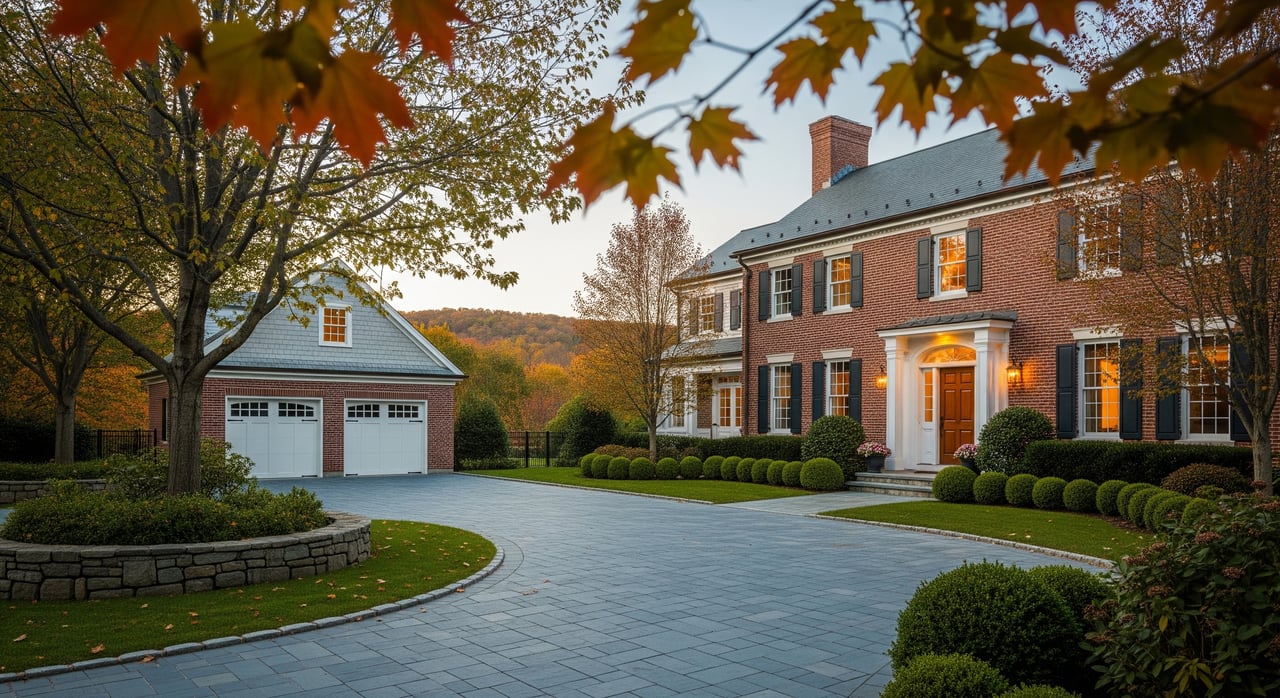
Thinking about a town with more yard space, quick access to Boston, and miles of nearby trails? If Canton, MA is on your list, you are not alone. Many buyers look here for a calmer suburban pace without giving up regional access and daily convenience. In this guide, you’ll learn what daily life feels like in Canton, from homes and commutes to parks, schools, and essential services. Let’s dive in.
Where Canton fits in Greater Boston
Canton is a suburban town in Norfolk County on Boston’s southwest side. You sit along the I‑95/Route 128 corridor, roughly 12 to 18 miles from downtown Boston depending on your route. Nearby communities include places like Milton and Stoughton.
Many residents choose Canton for its balance. You get suburban space and established neighborhoods while staying plugged into Boston’s employment centers and the wider Interstate network.
Homes and neighborhoods
Canton’s housing stock is primarily single‑family. You will see classic New England styles and practical layouts across different eras.
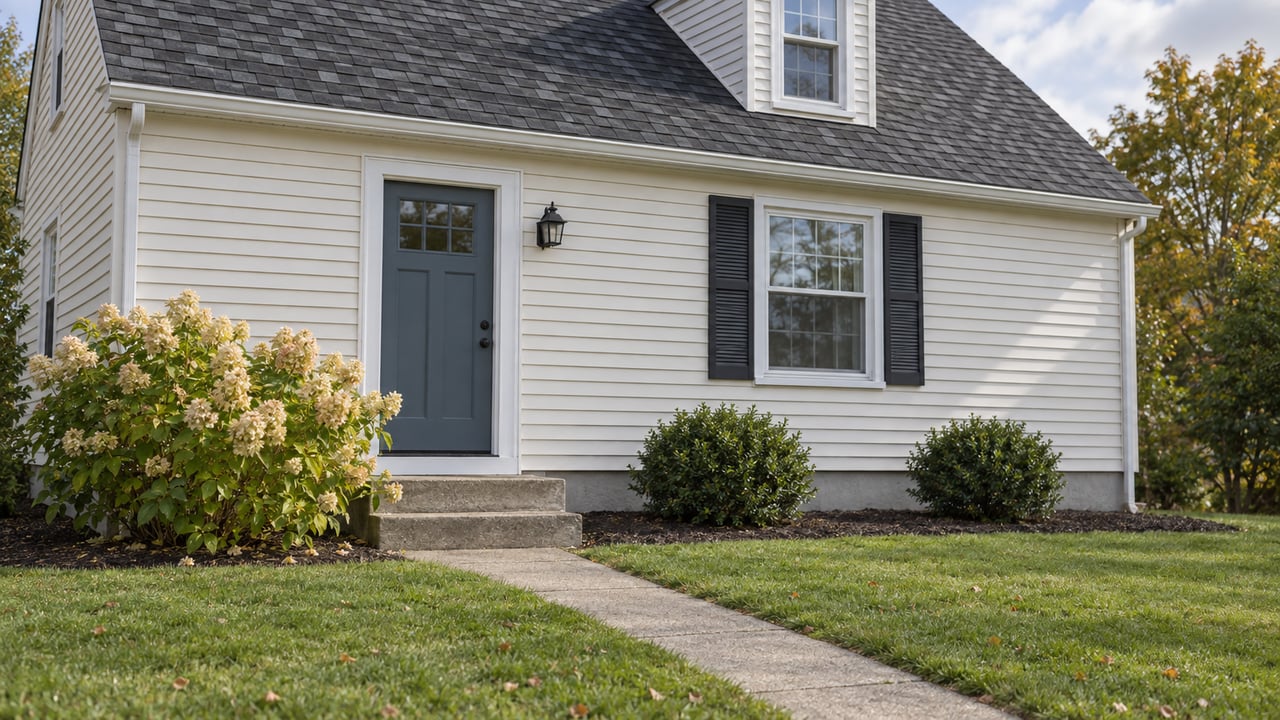
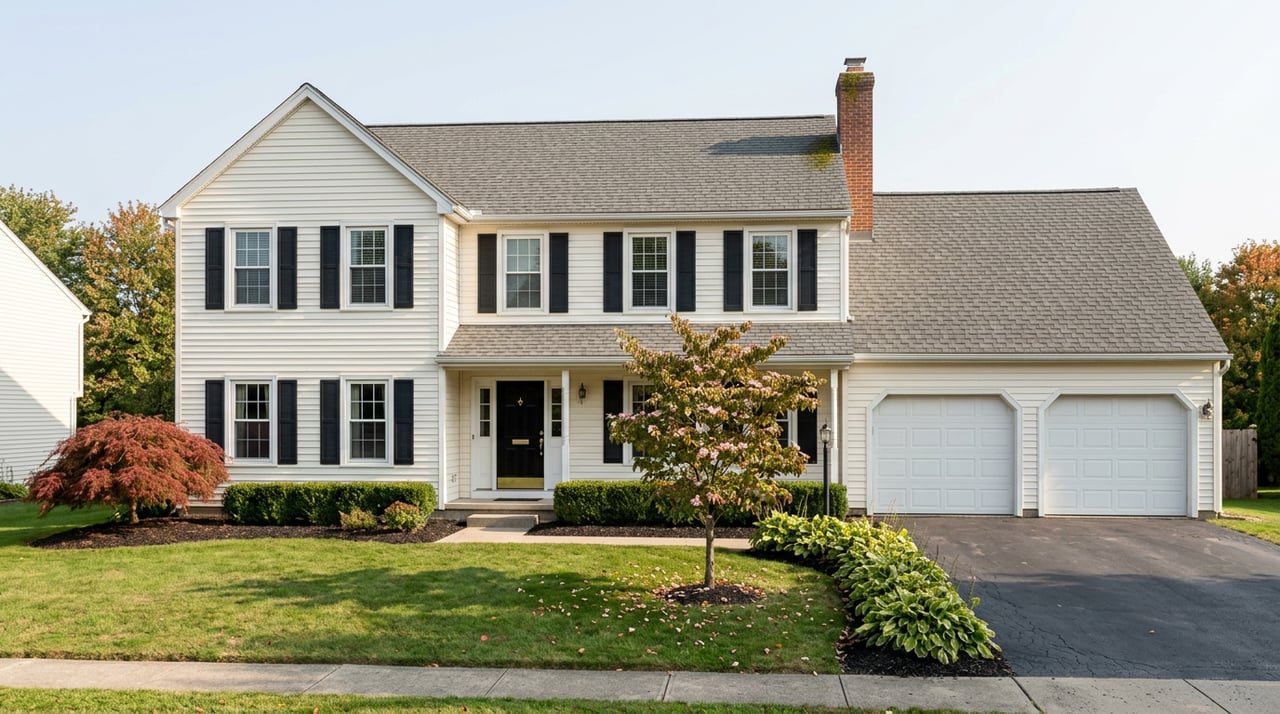
- Colonial and Cape Cod homes in historic neighborhoods
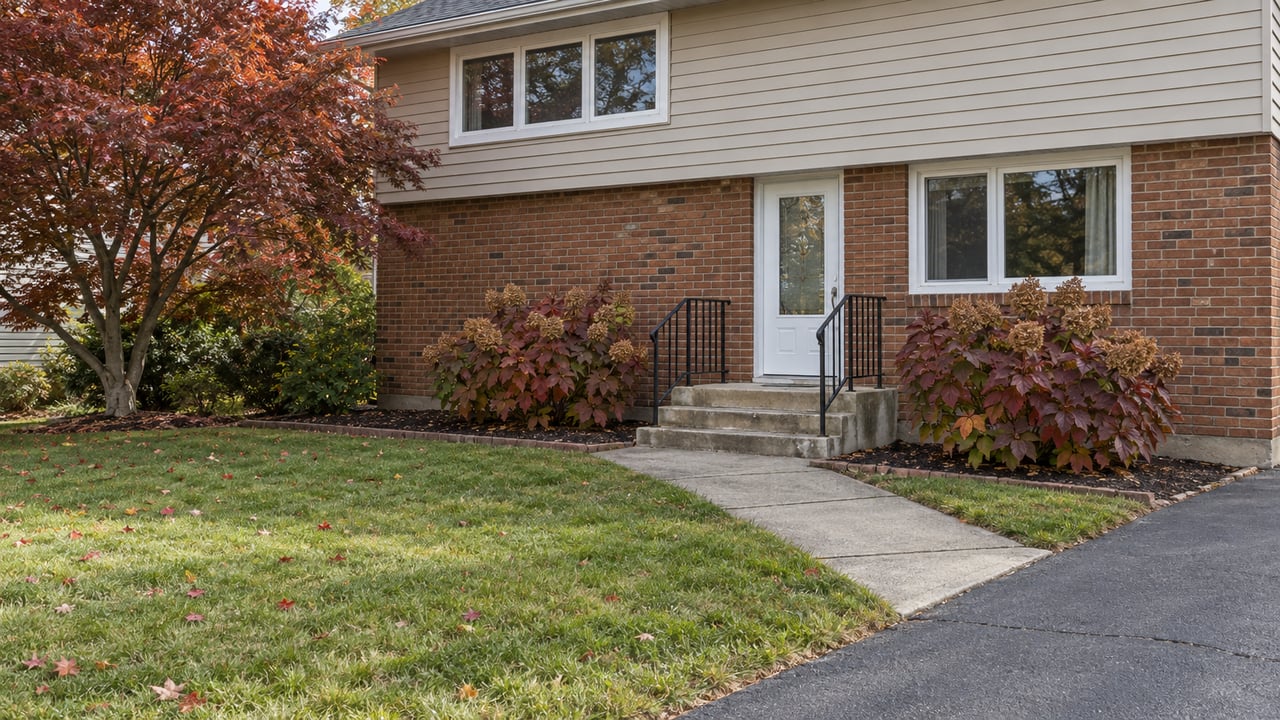
- Mid‑century ranches and split‑levels from the 1950s to 1970s
- Newer infill and modern single‑family construction in recent decades
- Condominiums and townhomes near major roads or transit nodes
Compared with inner suburbs, many properties offer reasonably sized yards. If you want outdoor space for pets, gardening, or play, you will find plenty of options across price points and neighborhoods.
Getting around
Driving on I‑95/Route 128
Canton’s location on I‑95/Route 128 makes driving straightforward to many job hubs. Off‑peak trips into Boston can be about 25 to 40 minutes, while peak hours often take longer. Seasonal traffic and weather can add time, so plan your commute window accordingly.
Commuter rail to Boston
Canton is served by MBTA commuter rail stations with direct service to South Station. Typical rides are often in the 20 to 40 minute range depending on the line and your station. Schedules, fares, and parking policies change, so check the MBTA for current details before you go.
Local buses and parking
Local bus routes exist but run less frequently than city service. Many commuters use park‑and‑ride options at the stations. Policies for permits, daily rates, and availability can shift, so confirm specifics with town and MBTA resources.
Airports and longer trips
Logan International Airport is the primary gateway for flights and is reachable by car or commuter rail plus MBTA connections. Depending on traffic and transfers, plan for 25 minutes to an hour or more. For regional options, residents sometimes use T.F. Green in Providence or Manchester.
Daily rhythms: how people live here
For commuters
You can grab coffee in the town center, then head to the train or jump on Route 128. After work, many unwind with a quick trail walk or a casual dinner in town before calling it a night.
For families
Mornings usually mean school drop‑offs and a short drive to work. Afternoons and evenings bring youth sports, music lessons, and homework. Weekends often mix park time, seasonal town events, and day trips around Greater Boston.
For retirees and empty‑nesters
A typical day is more local. Errands, library programs, and daytime walks set the pace. Access to regional medical care and nearby cultural options is a plus.
For outdoor enthusiasts
You can be on a trail in minutes. Many residents plan morning runs, after‑work hikes, and weekend loops with water views and scenic overlooks.
Parks and the outdoors
One of Canton’s biggest perks is easy access to nature. The Blue Hills Reservation sits to the north and east and offers extensive hiking, mountain biking, scenic viewpoints, and winter activities. Ponkapoag Pond is part of the Blue Hills area and draws locals for loops around the water and quiet outings.
Within town, you will find municipal parks, playgrounds, and conservation land for everyday walks and youth sports. Seasonal programming from local recreation groups provides summer activities, fall events, and winter fun.
Schools and learning
Canton Public Schools serve elementary, middle, and high school students in town. Families often review Massachusetts DESE resources to understand enrollment, programs, and performance. You can also explore private or parochial options in the broader area if you want alternatives.
When comparing schools, use neutral, factual sources and consider your specific needs. Program availability, routes, and schedules can influence your daily routine as much as metrics.
Healthcare and essential services
Canton residents use a mix of nearby hospitals and urgent care centers in surrounding communities. Depending on your specialty needs, you may visit facilities in places like Milton, Brockton, Norwood, or Boston.
Standard municipal services include Town Hall, the public library, and public safety departments. For internet and utilities, options vary by address. Providers such as Xfinity and Verizon Fios may be available in parts of town, so it is smart to confirm service at your specific property.
Shopping and dining
Downtown and key corridors offer locally owned restaurants, coffee spots, and small‑scale retail. For bigger shopping runs, residents often drive to nearby regional centers and malls in adjacent towns. Grocery and everyday essentials are convenient, and many people combine errands with school or commute routes.
Community character and history
Canton’s identity reflects classic New England roots and active civic life. The canton Viaduct, a historic stone railroad viaduct, is one of the town’s most recognizable landmarks. Seasonal events, library programs, farmers market days, and recreation offerings bring neighbors together throughout the year.
Is Canton a fit for you?
If you want suburban space with direct access to Boston’s job market, Canton is a practical choice. You get established neighborhoods, a range of home styles, commuter rail options, and a major outdoor playground close by.
Know the tradeoffs. Traffic can stretch drive times, and transit schedules and parking policies shift over time. Walkability varies by neighborhood, with the town center generally more pedestrian friendly than outlying subdivisions.
Ready to see how Canton lines up with your goals? For a local plan to buy or sell, and a clear view of today’s market, reach out to Alex Rocher for expert, client‑first guidance.
FAQs
How long is the commute from Canton to Boston?
- Off‑peak driving can be about 25 to 40 minutes, while peak hours often take longer. MBTA commuter rail rides are commonly in the 20 to 40 minute range. Always check real‑time navigation and current MBTA schedules.
What types of homes are common in Canton, MA?
- You will find Colonial and Cape Cod homes, mid‑century ranches and split‑levels, newer single‑family builds, and a selection of condos and townhomes near major roads or transit.
What should I know about Canton schools?
- Canton Public Schools serve local students. Review Massachusetts DESE resources for enrollment, programs, and performance, and consider your family’s needs and commute patterns.
Where do residents go for outdoor recreation near Canton?
- Blue Hills Reservation and Ponkapoag Pond offer extensive trails, water views, and seasonal activities. Town parks, playgrounds, and conservation areas support daily walks and youth sports.
How much do homes cost in Canton right now?
- Prices change with the market and season. Ask for a current market update or recent comparable sales from a local MLS report to understand today’s pricing and inventory.
Is Canton walkable?
- Walkability varies by neighborhood. The town center and areas near commuter rail tend to be more walkable, while many residential areas are car‑oriented with sidewalks in places.