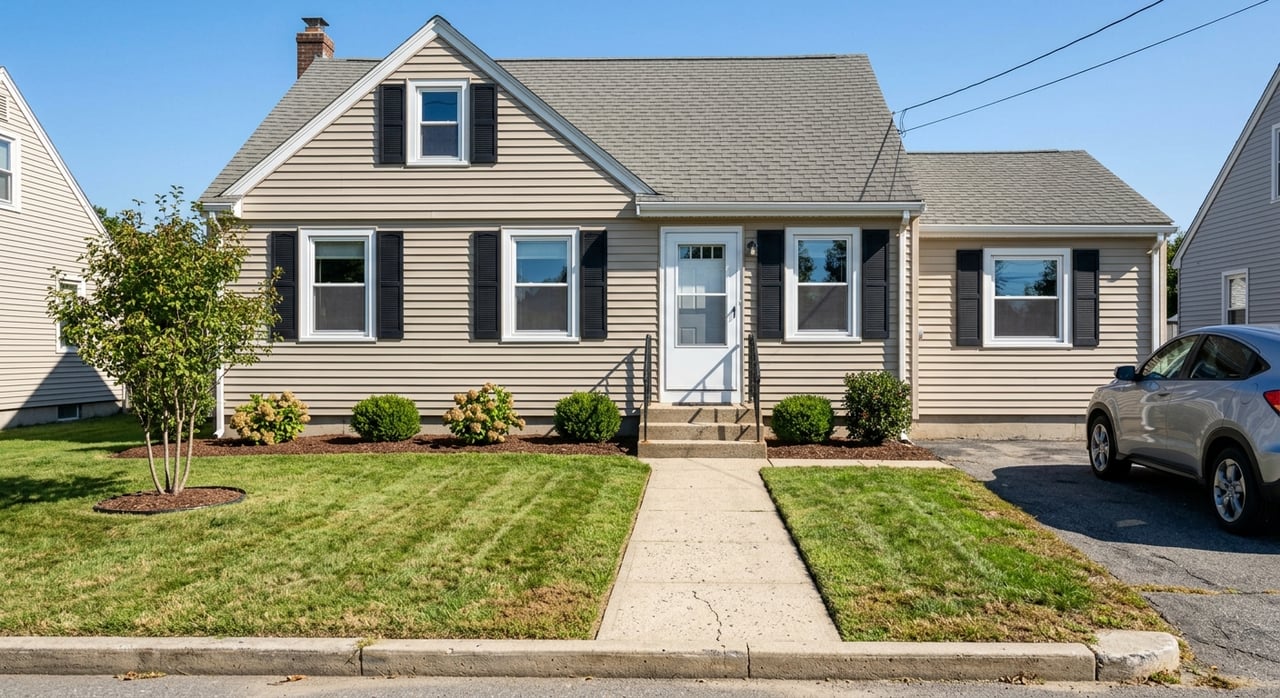
Buying your first home in Randolph can feel exciting and overwhelming at the same time. You are trying to balance your budget, move quickly in a competitive market, and make smart choices that protect you along the way. The good news is that with the right plan, you can shop with more confidence and avoid common first-time buyer mistakes. Let’s dive in.
Why Randolph appeals to first-time buyers
Randolph gives many first-time buyers a practical mix of access, convenience, and housing options near Boston. The town notes commuter rail service to South Station, bus connections to Quincy Center and Ashmont, and highway access through Routes 93, 128, and 24. If your daily routine includes commuting or staying connected to nearby job centers, that local access can shape both your home search and your budget.
For many buyers, Randolph works as a commuter-town option that keeps you close to Greater Boston while offering a suburban setting in Norfolk County. That makes location tradeoffs especially important. You may find that price, travel time, and home size all need to be weighed together.
What the Randolph market looks like
If you are buying your first home here, expect a market that moves fast. Spring 2026 data from several major housing platforms shows the same general pattern: prices are elevated, inventory is tight, and homes often sell quickly.
Reported figures vary by source, but the message is consistent. Redfin reported a March 2026 median sale price of $570,000, about 8 offers per home, and roughly 22 days on market. Zillow reported an average home value of $590,775, 44 homes for sale, and homes going pending in around 10 days, while Realtor.com reported a March 2026 median listing price of $609,000, about 27 homes for sale, a 99% sale-to-list ratio, and a 21-day median days-on-market figure.
For you, that means preparation matters. In Randolph, first-time buyers often need to be financially ready before they start touring seriously, because the strongest homes may not sit on the market for long.
Start with your true monthly budget
One of the biggest first-time buyer mistakes is focusing only on the mortgage payment. Your real monthly housing cost is broader than that, and building your budget around the full number gives you a more accurate picture of what feels comfortable.
According to the CFPB, your total monthly payment should include:
- Principal and interest
- Property taxes
- Mortgage insurance, if applicable
- Homeowners insurance
- Supplementary insurance, such as flood insurance if needed
- HOA fees, where applicable
That full-carrying-cost approach matters in Randolph. The town’s FY2026 residential tax rate is $11.58 per $1,000 of assessed value, and real estate taxes are billed quarterly. Using that rate, a $570,000 home would imply about $6,600 per year in property taxes before exemptions or reassessment changes.
That tax estimate alone shows why looking at just the loan payment can be misleading. A home that seems affordable at first glance may feel very different once taxes, insurance, and other costs are added in.
Plan for cash beyond the down payment
Your down payment is only part of the money you will need. Closing costs and move-in expenses can surprise first-time buyers if they are not included in the plan early.
The CFPB notes that common closing charges can include appraisal fees, title insurance, government taxes, and prepaid expenses such as property taxes, homeowners insurance, and interest that accrues before your first payment is due. On top of that, you may need funds for moving, utility setup, basic repairs, or items the home does not come with.
Massachusetts also imposes a deeds excise tax on real estate transfers at $2.28 per $500 of consideration. On a roughly $570,000 Randolph purchase, that works out to about $2,600 before any deal-specific adjustments. Knowing these numbers ahead of time can help you avoid stretching too far just to make the offer itself.
Get pre-approved before you shop seriously
In a market like Randolph, pre-approval is not just a nice step to have. It is part of being ready to compete.
The CFPB advises buyers to meet with multiple lenders, compare official loan offers, and use that process to understand what price range is realistic before making an offer. This gives you a clearer monthly budget and helps you move faster when the right home hits the market.
It is also smart to keep your finances steady while you are preparing to buy. The CFPB cautions buyers not to take on new debt or make large credit card purchases in the months before buying, because those moves can affect loan approval and pricing.
Be ready for Massachusetts offer rules
Massachusetts has some important legal steps that first-time buyers should understand early. The state treats the offer to purchase as a legally binding contract, and it recommends consulting an attorney before submitting one.
That catches some buyers off guard, especially if they assume the offer is only an informal first step. After the offer is accepted, the purchase and sale agreement is also a legal document and is typically prepared and agreed to by attorneys representing both buyer and seller.
In practical terms, this means you should have your lender and your attorney lined up before you get deep into the search. In a fast Randolph market, having your team ready can make the process smoother when you need to act quickly.
Protect your inspection rights
When competition heats up, some buyers worry they have to give up protections to win. Massachusetts law gives important guidance here.
For residential sales after October 15, 2025, the state’s home-inspection rules apply to 1 to 4 unit residential property, including condos and co-ops. Sellers and agents cannot require or encourage a buyer to waive inspection rights as a condition of acceptance, and they must provide a separate written disclosure before or at the first purchase contract.
The inspection must be performed by a licensed home inspector. The state also makes clear that buyers may still choose not to inspect after proper disclosure and without coercion.
The CFPB recommends scheduling the inspection as soon as possible after choosing a home. That gives you time to understand the property’s condition, raise concerns if needed, or bring in follow-up specialists for specific issues.
Know the difference between inspection and appraisal
First-time buyers often mix up inspections and appraisals, but they serve different purposes. Understanding both can help you avoid surprises.
An inspection looks at the home’s physical condition. An appraisal is an independent estimate of value that lenders generally require.
If the appraisal comes in lower than the contract price, the CFPB notes that you may need to renegotiate, bring more cash to closing, or change the deal structure. In a competitive Randolph market, this is one more reason not to shop at the very top of what you think you might qualify for.
Prepare for closing day in Randolph
Closing is the final step in the mortgage process. This is when you sign the final documents and, in a financed purchase, the loan and ownership transfer typically happen at the same time.
The CFPB says buyers should receive a Closing Disclosure at least three business days before closing. That document outlines final costs and key loan terms, so you have time to review the details before signing.
You should also expect to show proof of homeowners insurance at closing. Common closing items may include title insurance, government taxes, appraisal-related charges, and prepaid expenses.
For Randolph transactions, there is also a local item worth knowing about. When a closing date is known, the seller should schedule the fire department’s smoke-detector and carbon-monoxide inspection because Massachusetts requires a certificate of compliance showing the alarms meet sale-or-transfer standards. Randolph’s published inspection fee is $50 for a single-family home.
What to keep after closing
Once your home purchase closes, do not just file the paperwork away and forget it. The CFPB notes that the deed and mortgage-related information become part of the public record, and buyers should keep their closing file for future reference.
That file can help if you have questions later about your loan terms, tax records, insurance, or future resale planning. It is a simple step, but it can save you time and stress down the road.
Smart first steps for Randolph buyers
If you want to simplify the process, focus on a few basics first. These early moves can help you stay grounded and make better decisions as you search.
- Build your budget around the full monthly payment, not just principal and interest
- Estimate property taxes using Randolph’s FY2026 residential tax rate
- Save for both down payment and closing costs
- Compare lenders and get pre-approved early
- Avoid new debt before and during the mortgage process
- Have your attorney ready before you submit an offer
- Move quickly on homes you like, but keep your due diligence in place
- Review your Closing Disclosure carefully before settlement
Buying your first home in Randolph is very doable, but it rewards preparation. When you understand the local pace, the true cost of ownership, and the Massachusetts steps involved, you are in a much stronger position to buy with confidence.
If you are starting your first home search and want local guidance that keeps the process clear and calm, connect with Alex Rocher for expert support in Randolph and nearby Norfolk County communities.
FAQs
What is the typical home price range for first-time buyers in Randolph, MA?
- Spring 2026 market data showed Randolph home values and prices generally landing in the upper-$500,000 range, with reported figures including a $570,000 median sale price, a $590,775 average home value, and a $609,000 median listing price depending on source and methodology.
How competitive is the Randolph, MA housing market for first-time buyers?
- Randolph appears to be a competitive market, with spring 2026 data showing low inventory, homes going pending in around 10 days in one report, and about 8 offers per home in another.
What should a first-time buyer budget for beyond the mortgage in Randolph, MA?
- You should budget for property taxes, homeowners insurance, mortgage insurance if applicable, possible HOA fees, supplementary insurance if needed, and closing costs such as appraisal fees, title insurance, government taxes, and prepaid expenses.
How much are property taxes on a Randolph, MA home?
- Randolph’s FY2026 residential tax rate is $11.58 per $1,000 of assessed value, so a $570,000 home would imply roughly $6,600 per year in property taxes before exemptions or reassessment changes.
Do first-time buyers in Massachusetts need an attorney when making an offer?
- Massachusetts treats the offer to purchase as a legally binding contract and recommends consulting an attorney before submitting one, so it is wise to have an attorney lined up early in the process.
Can a buyer waive a home inspection in Massachusetts?
- For covered residential sales after October 15, 2025, sellers and agents cannot require or encourage buyers to waive inspection rights as a condition of acceptance, though a buyer may still choose not to inspect after proper disclosure and without coercion.
What is the difference between a home inspection and an appraisal for a Randolph purchase?
- A home inspection reviews the property’s physical condition, while an appraisal is an independent estimate of value that lenders generally require for the mortgage.
What closing items should a Randolph, MA homebuyer expect?
- You should expect final loan documents, a Closing Disclosure at least three business days before closing, proof of homeowners insurance, and closing charges that may include title insurance, government taxes, appraisal-related fees, and prepaid expenses.