If a shorter trip into Boston sounds appealing, living near one of Brockton’s commuter rail stops may be worth a closer look. You might be balancing commute time, housing options, and day-to-day convenience while trying to figure out which part of the city fits your routine. This guide walks you through what life can feel like near Montello, Brockton, and Campello so you can weigh the real trade-offs with more confidence. Let’s dive in.
Why rail access stands out
Brockton’s commuter rail access centers on the MBTA Middleborough/Lakeville Line, with three city stops: Montello, Brockton, and Campello. According to the current MBTA timetable, all three stations offer parking and accessible boarding.
For Boston-bound riders, that access can make a real difference in your daily schedule. Based on the inbound weekday timetable, early morning trains from Campello, Brockton, and Montello reach South Station at 5:53 AM, which puts the ride at roughly 40 to 45 minutes depending on the stop and train.
That kind of connection is a big reason buyers and renters look closely at homes near the line. If your week revolves around getting into Boston without driving the whole way, being near a station can simplify your morning routine.
What the three station areas feel like
Each Brockton stop offers rail access, but the surrounding areas do not feel the same. The city’s planning work shows clear differences in how downtown, Campello, and Montello are evolving.
Brockton station: city-center energy
The Brockton station area sits in the city core. Brockton’s planning department describes downtown as the heart of the city and the Metro South region, and the city also maintains a walk-audit document focused on downtown and the commuter rail station.
In practical terms, this points to the most urban and active setting of the three stops. If you want a stronger city-center feel, more movement during the day, and an area where walkability is part of the public conversation, downtown is likely the closest match.
Campello: transit-focused growth
Campello stands out in the city’s planning materials as the stop most clearly tied to transit-oriented development. The city connects the area with commercial and residential growth, pedestrian infrastructure, and future infill.
That suggests a neighborhood where transit access is not just a convenience, but a major part of how the area is expected to grow. If you like the idea of living near a station in a part of Brockton that is actively being shaped around that access, Campello deserves a serious look.
Montello: mixed-use and variable
Montello is framed by the city as a mixed-use area with residential, commercial, and industrial space. Planning materials also show it as an area going through neighborhood planning and zoning updates.
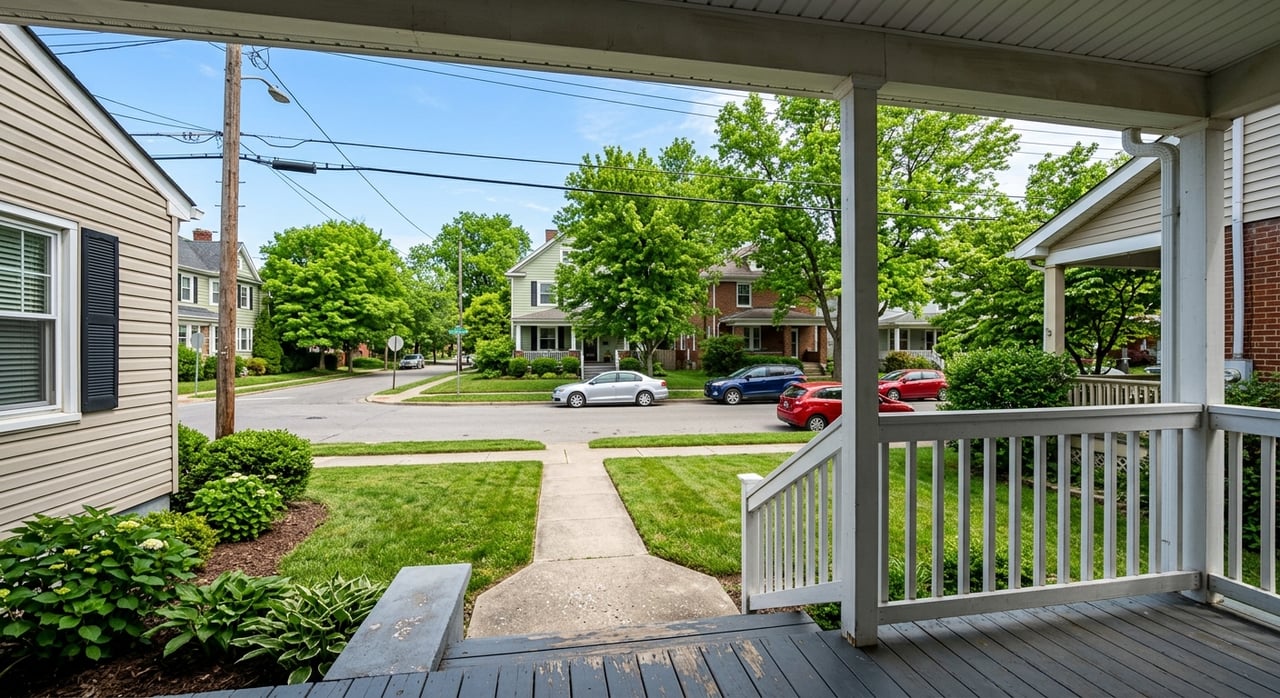
For you, that usually means more variation from block to block. One street may feel more residential, while another may be closer to business or industrial activity, so it becomes especially important to evaluate each property in person.
How housing options may vary
Brockton offers a broader housing mix than many buyers expect. Citywide, there are 37,692 housing units, with a 57.4% owner-occupied rate, a median owner-occupied value of $437,500, and a median gross rent of $1,641.
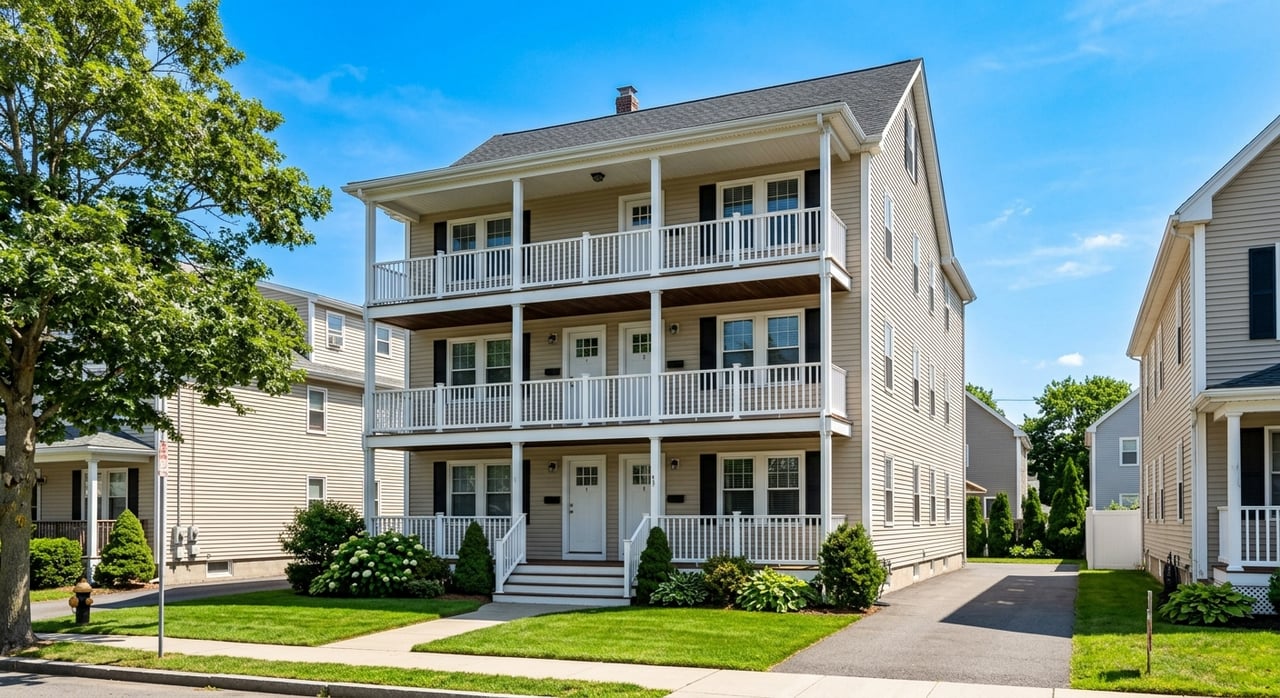
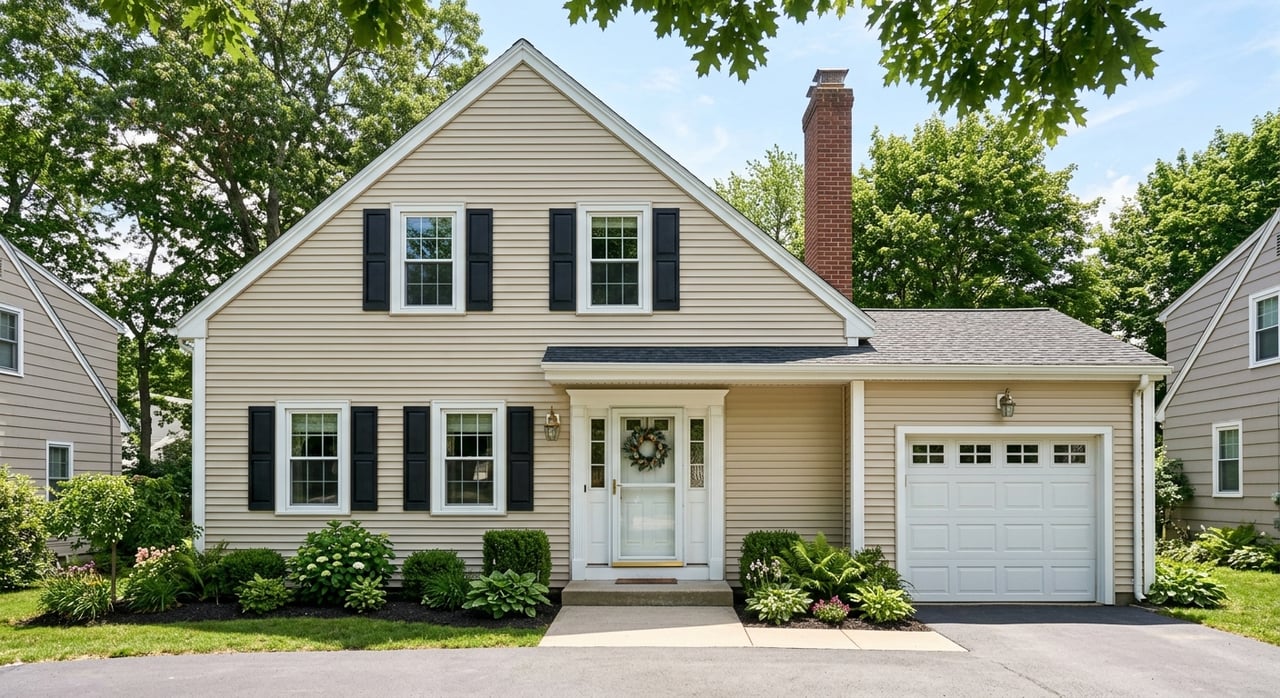
The city’s housing stock is also diverse. Brockton’s consolidated plan shows 47% detached single-family homes, 28% two- to four-unit buildings, 13% five- to 19-unit buildings, and 9% buildings with 20 or more units.
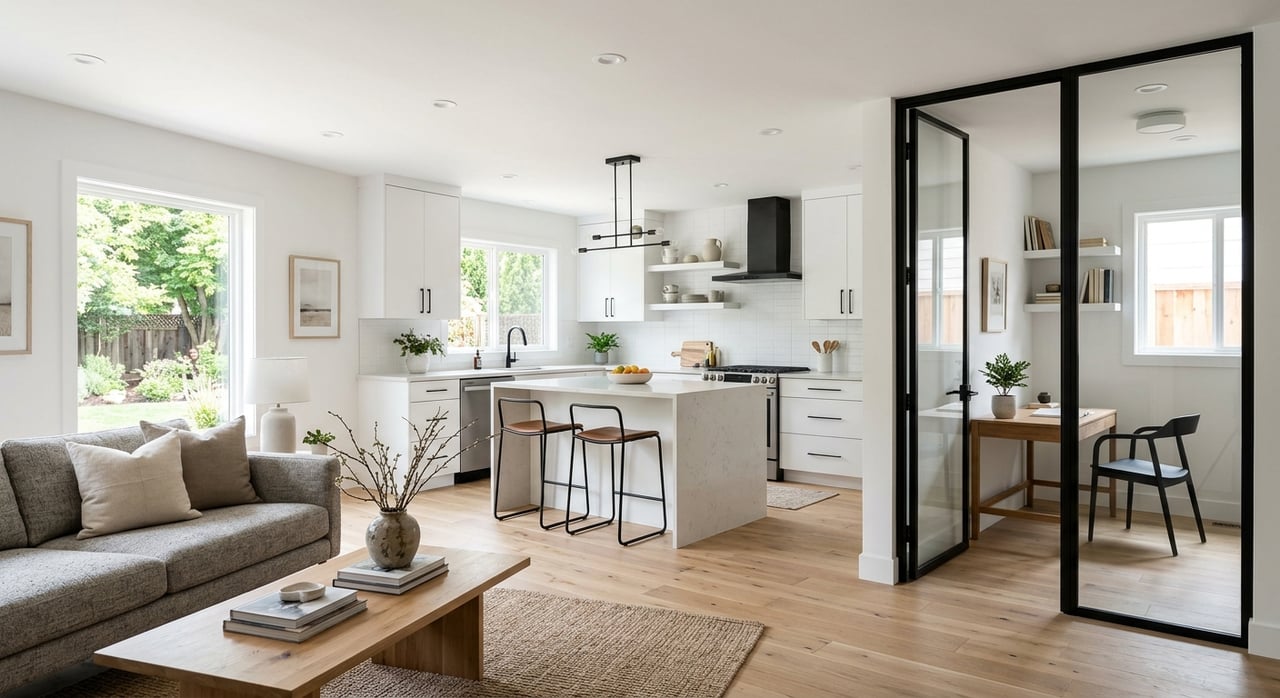
That matters when you search near the commuter rail stops. Depending on the area, you may find anything from older single-family homes on neighborhood streets to multifamily buildings or mixed-use properties closer to the station areas.
What daily life can look like
Living near a commuter rail stop can make your week more efficient, but it often comes with trade-offs. The biggest advantage is straightforward: you have direct rail access, and all three Brockton-area stations list parking availability, which gives you flexibility if your household still depends on a car.
At the same time, station-adjacent living usually means more activity around peak train times. You may notice more traffic, more people movement, and a busier feel than you would on a lower-density side street farther from the line.
That does not make one option better than the other. It simply means your best fit depends on whether convenience or quiet carries more weight in your daily life.
Walkability and change matter here
One important thing to understand is that these station areas are not standing still. Brockton’s planning department has active work tied to downtown, Campello, and Montello, including form-based code efforts in downtown and Campello, plus a neighborhood planning process in Montello.
The city’s walk-audit work around downtown and the commuter rail station also shows that pedestrian access remains a live issue. If you are buying near one of these stops, you are not just choosing a home as it exists today. You are also buying into an area that may continue to change over time.
Who this location tends to fit best
Living near Brockton’s commuter rail stops can be a strong fit if your routine depends on regular access to Boston. It may also appeal to you if you are comfortable with a more urban, mixed-use, and evolving environment rather than a purely residential setting.
This setup can be especially practical for buyers who value transportation access, renters who want options close to rail, and investors looking at multifamily or mixed-use possibilities in a city with varied housing stock. Brockton’s market supports both ownership and rental demand, which makes station-adjacent areas worth watching closely.
On the other hand, you may need to think twice if your top priorities are a very quiet street, a larger yard, or a lower-traffic setting. In that case, a home farther from the station areas may be a better lifestyle match.
Questions to ask when touring
When you visit a home near Montello, Brockton, or Campello, the basics matter, but so does the commute experience itself. A home can look great online and still feel very different once you test the route.
Here are smart questions to ask during a showing:
- How long is the actual walk to the platform?
- Does the home or unit face the tracks or a parking area?
- Is parking included, or will you rely on street parking?
- What does the street feel like around peak commute times?
- Does the route to the station feel comfortable after dark?
- How much block-by-block variation is there nearby?
These details can affect your routine just as much as square footage or finishes. If rail access is one of the main reasons you are considering the property, it helps to test that part of the experience before making a decision.
Why local guidance helps
Station-area home shopping is often more nuanced than it looks at first glance. Two properties that seem close on a map can offer very different daily experiences depending on traffic flow, parking, surrounding uses, and how directly they connect to the station.
That is where local insight matters. If you are comparing Brockton neighborhoods, it helps to work with someone who can help you look beyond commute time alone and weigh the full picture, from housing type to street feel to long-term fit.
If you are thinking about buying or selling in Brockton or nearby Greater Boston communities, Alex Rocher can help you evaluate the trade-offs, understand the local market, and move forward with a plan that fits your goals.
FAQs
What is the commuter rail line serving Brockton stops?
- Brockton’s rail service is centered on the MBTA Middleborough/Lakeville Line, which includes Montello, Brockton, and Campello stations.
How long is the train ride from Brockton to South Station?
- Based on the current inbound weekday timetable, the ride from Brockton-area stops to South Station is roughly 40 to 45 minutes, depending on the train and stop.
Which Brockton commuter rail stop feels most urban?
- The Brockton station area in downtown has the strongest city-center feel, with planning documents highlighting it as the heart of the city and a focus area for walkability.
What is Campello like near the commuter rail stop?
- Campello is the stop most clearly associated with transit-oriented development, with city planning focused on pedestrian infrastructure and residential and commercial growth.
What is Montello like for homebuyers?
- Montello is a mixed-use area with residential, commercial, and industrial space, so homebuyers should expect more variation from block to block.
Are there different housing types near Brockton rail stops?
- Yes. Brockton’s housing stock includes single-family homes, smaller multifamily properties, and larger buildings, which means station-adjacent options can vary widely depending on the area.
Do Brockton commuter rail stations offer parking?
- Yes. The current MBTA timetable lists parking availability at Montello, Brockton, and Campello.
What should you check when touring a home near a Brockton station?
- Focus on practical details like the true walking time to the platform, whether parking is included, the property’s orientation, and how the area feels during commute hours and after dark.