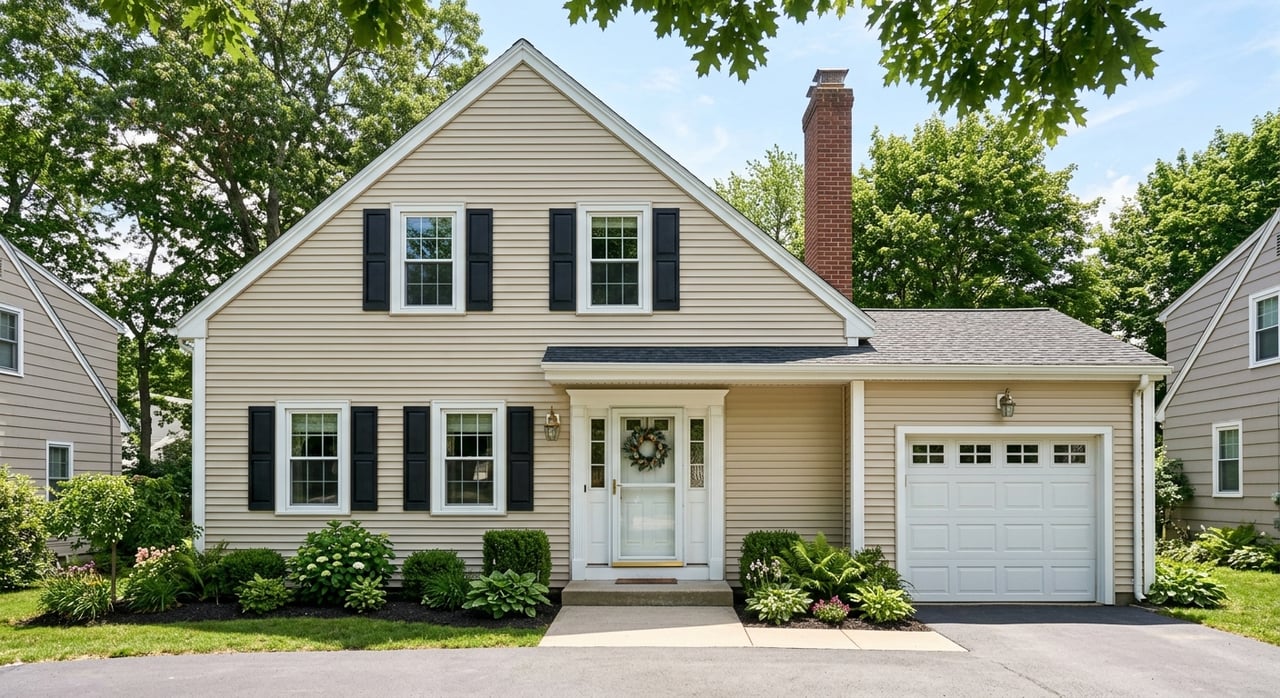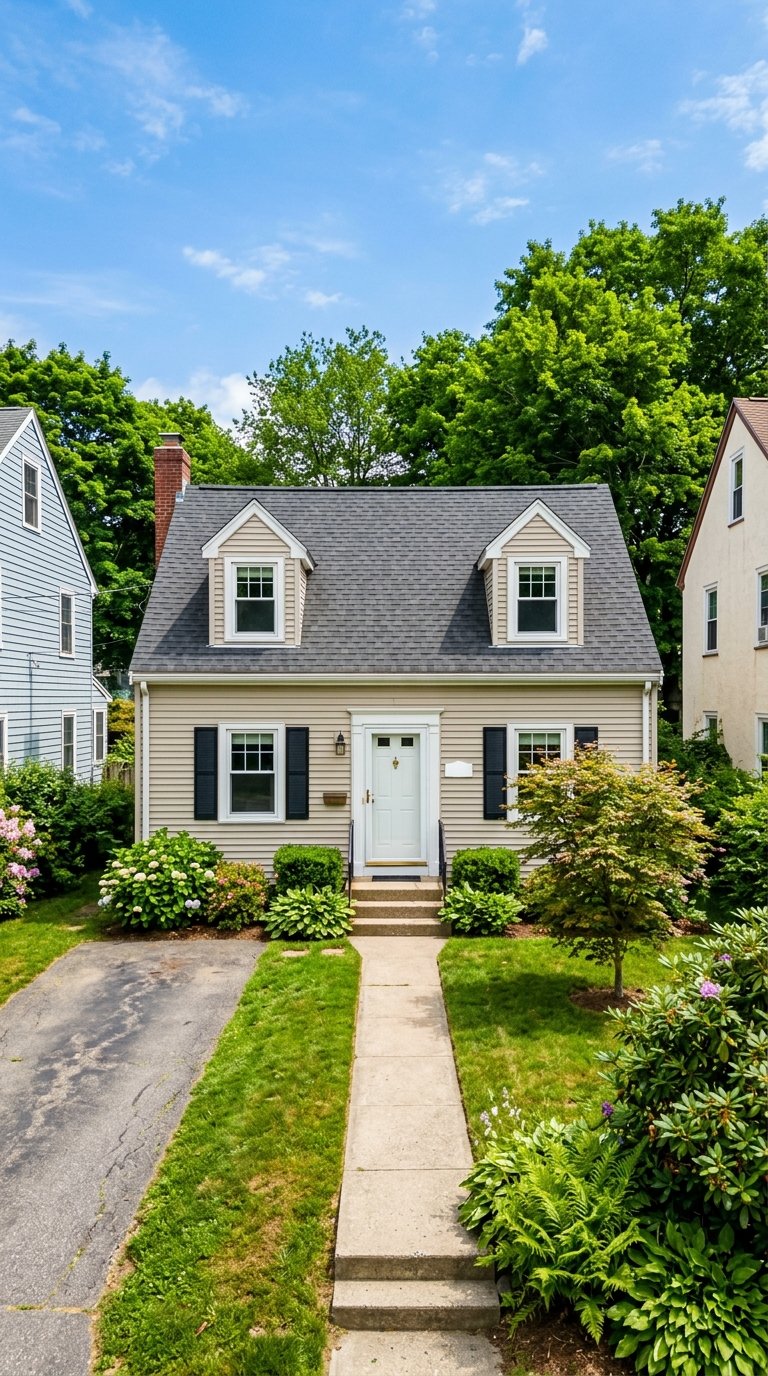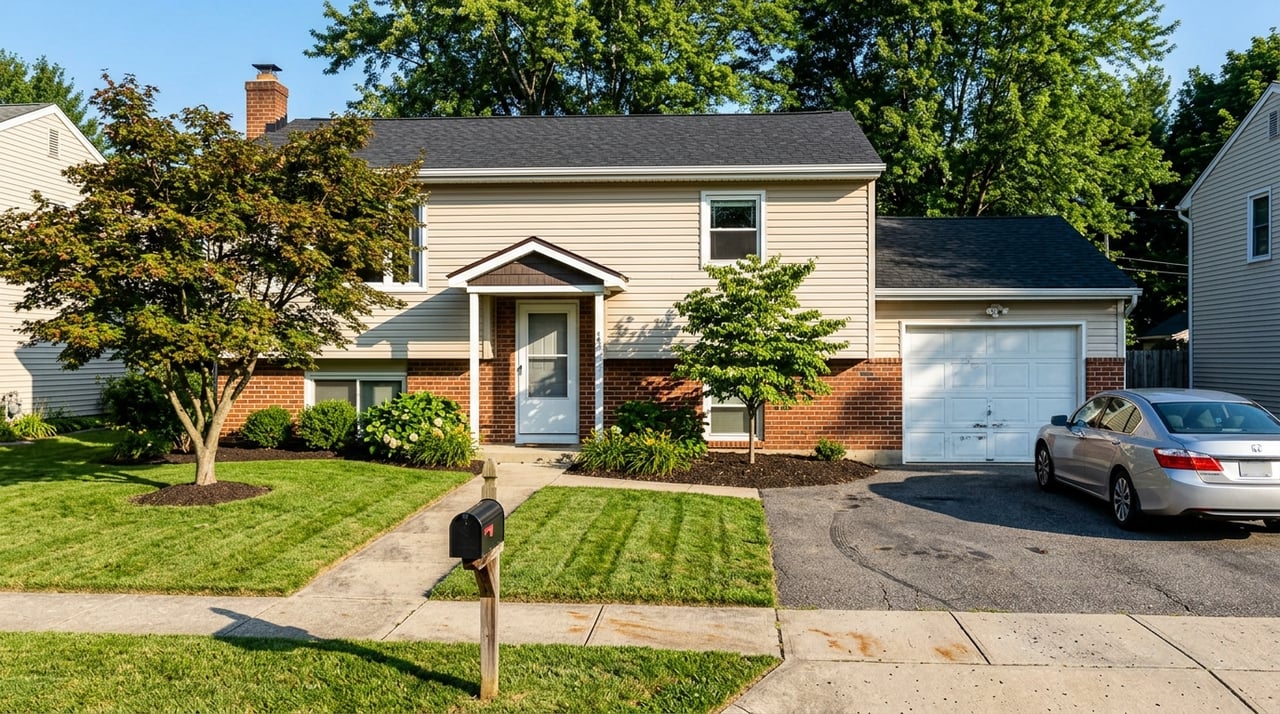
Remote work did not just change where people answer emails. It changed what many Boston-area buyers want from a home, how far they are willing to search, and which trade-offs feel worth it. If you are trying to buy in or around Boston, understanding those shifts can help you focus on homes that fit your daily life, not just your old commute. Let’s dive in.
Remote Work Still Matters in Boston
Remote work remains a meaningful part of how people live and shop for homes in Greater Boston. Nationally, 13.8% of U.S. workers usually worked from home in 2023, up from 5.7% in 2019. In Boston, the shift was even more noticeable, with the city reporting that 18% of residents exclusively worked from home in 2023.
That matters because home search decisions now reflect more than a simple office commute. Boston’s late-2024 office vacancy rate reached 17.4% citywide, which adds another sign that daily office use looks different than it did a few years ago. For many buyers, home now needs to support both living and working.
Boston Buyers Are Expanding Their Search Radius
Remote and hybrid work have widened the map for many buyers. If you only commute a few days a week, you may be more open to looking beyond your first-choice neighborhood, especially if that gets you more space or a better layout. That does not mean commute no longer matters, but it often means buyers are weighing it differently.
The Boston Fed found that commuting patterns in New England in 2022 still looked broadly similar to 2019. For Boston workers, half of commute distances were within 8.4 miles, and the 75th percentile was 20.1 miles. In other words, Boston still draws workers from across the metro area, even as remote work changes how often they make that trip.
Commute Still Counts
A common mistake is assuming remote work makes location less important. Zillow’s 2024 buyer survey found that 51% of buyers said commute to work or school was very or extremely important. That tells you buyers are not ignoring access. They are just balancing it against other priorities more carefully.
For many households, the question is no longer, “How close can we get to downtown?” It is, “How often do we need to go in, and what do we want at home the rest of the week?” That shift is reshaping search patterns across Boston and nearby communities.
Home Features Matter More Than Ever
When people spend more time at home, the home has to do more. It may need to handle work calls, school routines, guests, storage, and downtime all in the same week. That is one reason buyers are paying closer attention to layout and flexibility.
Zillow’s 2024 survey highlights the features buyers now care about most:
- 73% prioritized preferred size or square footage
- 73% prioritized the right number of bedrooms
- 70% said private outdoor space was very or extremely important
- 65% valued off-street parking or a garage
- 62% valued a walkable neighborhood
- 60% valued a spare or guest bedroom
- 51% said commute to work or school was very or extremely important
Flexible Space Is a Bigger Priority
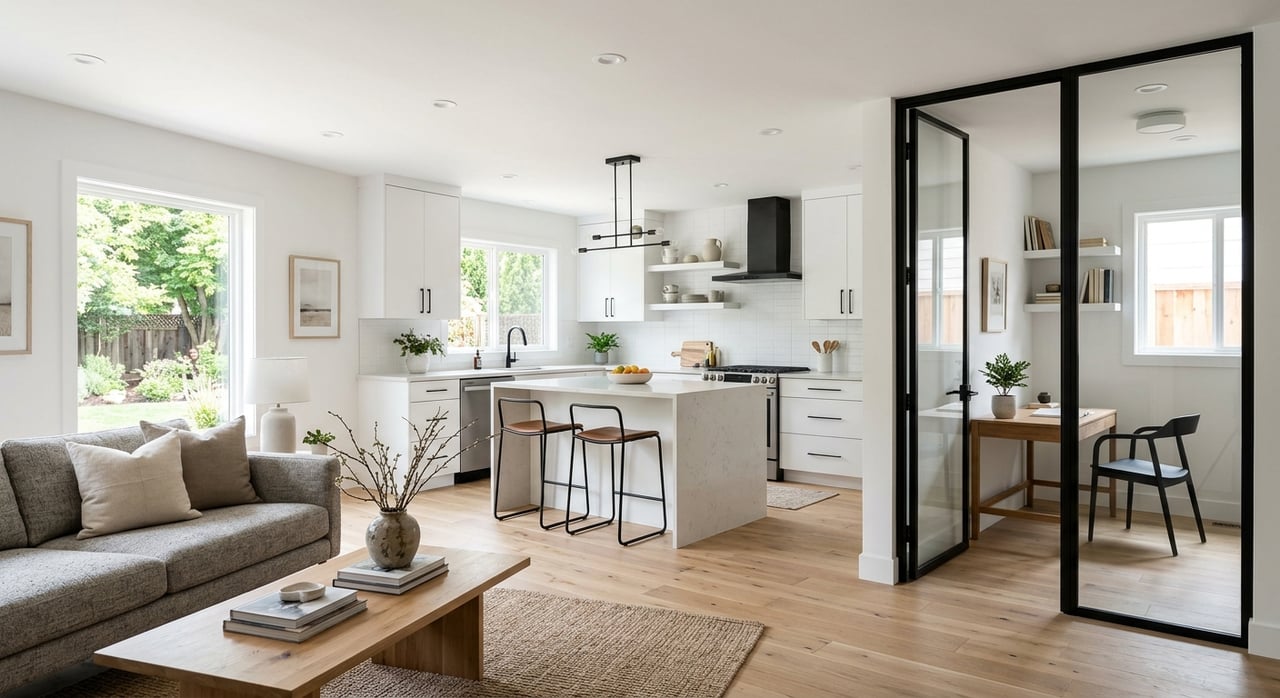
A spare room is no longer just a nice bonus for many buyers. It may serve as a home office, guest space, workout area, or a mix of all three. The more flexible the floor plan, the more likely a home can adapt as your routine changes.
A 2025 Clark University paper focused on Middlesex County found that remote work increased the value of features that support working from home. Additional bathrooms, home offices, outdoor space, and extra bedrooms became more valuable. That aligns with what many Boston-area buyers have been prioritizing in real-world searches.
Boston Condos and Suburban Homes Solve Different Needs
If you are deciding between a Boston condo and a suburban single-family home, remote work may make the trade-offs feel sharper. Neither option is automatically better. They simply support different lifestyles.
Boston remains a dense housing market with a lower owner-occupied share than many surrounding areas. According to Census QuickFacts, Boston’s owner-occupied housing rate was 35.7%, and the median value of owner-occupied housing units was $731,700. Suffolk County showed a similar owner-occupied rate of 36.5%, with a median owner-occupied value of $705,800.
The city’s 2025 economic profile also reported a median single-family sale price of $800,000 and a median condo price of $745,000 in 2024. Nearly two-thirds of occupied units were rentals, and median rent reached $2,800. Those numbers help explain why many buyers compare city condos and suburban homes based on lifestyle fit, not just sticker price.
Why Some Buyers Still Choose Boston Condos
Boston condos still appeal to buyers who want walkability, transit access, and lower-maintenance living. If your schedule includes occasional office days, dining out, parks, or easy access to neighborhood amenities, condo living can still make a lot of sense. For some buyers, being closer to activity matters as much as having extra square footage.
The data also suggest that local amenities play a role in remote work choices. A 2025 MIT study found that remote-work frequency and preference were associated with commute time, distance to the city center, building density, road-network density, and local amenities such as retail, entertainment, and parks. That means buyers are often thinking about both the home and the surrounding daily experience.
Why Some Buyers Shift Toward the Suburbs
Suburban homes often compete on different strengths. More bedrooms, private outdoor space, parking, and a true work-from-home setup can be easier to find in many suburban markets. For buyers who need room to spread out, that can outweigh the benefits of being closer to the city core.
Still, it is important not to assume the suburbs are always the cheaper option. The 2025 Greater Boston Housing Report Card found that Boston’s median single-family sale price rose to $837,287 in 2025, while the regionwide median single-family sale price for the first half of 2025 was $741,738 and the median condo price was $721,852. It also reported that 36 Greater Boston municipalities had median single-family prices above $1 million, and nine municipalities had median condo prices above $1 million.
Affordability Still Limits the Search
Remote work may broaden your options, but it does not erase market realities. Inventory remains tight across Greater Boston, which means buyers still need a clear strategy. More flexibility on location can help, but only if it lines up with available homes and your budget.
The Greater Boston Housing Report Card says active listings through September 2025 remained well below pre-pandemic levels. The same report estimated that a household needed roughly $162,000 in annual income to afford an entry-level home in Greater Boston under typical assumptions. That is a strong reminder that search radius and affordability often move together.
More Housing Types May Enter the Mix
Massachusetts policy is also shaping what buyers may see in transit-served communities. The state’s MBTA Communities law requires 177 communities served by the MBTA to allow multifamily housing as of right, generally near transit. Over time, that could expand options for buyers looking for walkable, transit-oriented housing without focusing only on detached single-family homes.
For you, that may mean the best fit is not always a classic city condo or a large suburban house. In some cases, a smaller multifamily or transit-oriented home in an MBTA-served community may offer the balance of space, access, and maintenance you want.
How to Search Smarter in a Remote-Work Market
If remote or hybrid work is part of your life, your home search should reflect that from day one. Instead of searching only by town name or commute time, think about how the home needs to function across a full week. The right move often comes from clarity about your routine.
Start with these questions:
- How many days a week do you need to commute?
- Do you need a dedicated office or just flexible extra space?
- Is outdoor space a must-have or a nice bonus?
- How important are walkability and nearby amenities?
- Do you need off-street parking?
- Would a condo, townhouse, multifamily, or single-family home best support your routine?
Focus on Trade-Offs, Not Perfect Homes
In the Boston area, most buyers have to choose which features matter most. You may get more space farther out, but a longer trip on office days. You may get better walkability in the city, but less room for a separate office.
The goal is not to find a perfect home that does everything. The goal is to find a home that fits the life you actually live now, while still giving you room to adjust if your work routine changes again.
Remote work has not erased the value of Boston location, transit, or convenience. What it has done is make buyers more thoughtful about space, flexibility, and daily function. If you understand those trade-offs early, you can search with more confidence and make a decision that supports both your home life and your work life.
If you are thinking about buying or selling in Greater Boston, Alex Rocher can help you weigh location, space, and market conditions so you can make a smart move with confidence.
FAQs
How is remote work affecting Boston-area home searches?
- Remote work is widening search areas and increasing demand for flexible space, outdoor areas, extra bedrooms, and layouts that support working from home.
Does commute still matter for Boston homebuyers?
- Yes. Zillow found that 51% of buyers said commute to work or school was very or extremely important, and Boston remains a major regional job center.
Are Boston condos still a good option for remote workers?
- Yes. Boston condos can still work well if you value walkability, transit access, nearby amenities, and lower-maintenance living.
What features matter most in a Boston-area home now?
- Buyers are prioritizing square footage, the right number of bedrooms, private outdoor space, parking, walkability, and flexible rooms that can serve as offices or guest space.
Are suburban homes around Boston always more affordable?
- No. Some suburban markets are very expensive, and many Greater Boston municipalities now have median home prices above $1 million.
Will remote work keep changing Greater Boston housing choices?
- Current data suggest yes. Remote and hybrid work continue to shape preferences, especially around space, flexibility, and how far buyers are willing to search.