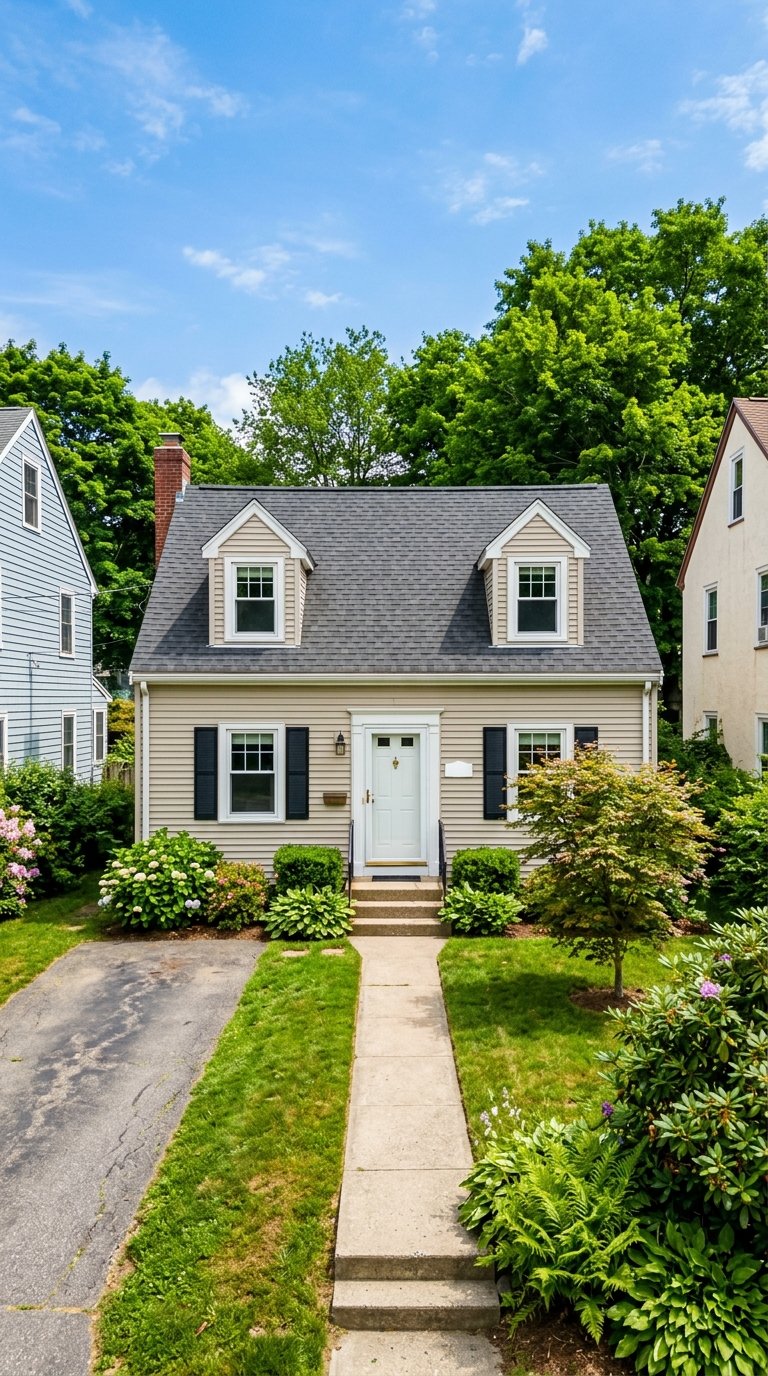
Thinking about selling in Quincy? The hardest number in your move may be the first one you choose. In a market where homes are still moving quickly but buyers remain payment-sensitive, the right price can help you attract strong early interest, while the wrong one can cost you time and money. This guide will show you how to price your Quincy home based on today’s market, your neighborhood, and your goals. Let’s dive in.
Quincy pricing starts with today’s market
Quincy home values are sitting in the mid-$600,000s, but that headline only tells part of the story. Redfin reports a median sale price of $654,608 for the three months ending May 2026, Realtor.com reports a median listing price of $654,999 in May 2026, and Zillow reports an average home value of $679,883 as of April 30, 2026.
Those numbers are useful, but they are not interchangeable. One reflects closed sales, another reflects asking prices, and another reflects an average value model. If you price your home using only a citywide average, you can miss what buyers are actually paying for homes like yours right now.
Quincy is still competitive. Redfin says homes get about 3 offers on average, sell in about 21 days, and close above list price about 49.8% of the time. Realtor.com reports a median 20 days on market, 151 active listings, and a 100% sale-to-list ratio in May 2026.
That said, competitive does not mean every home can stretch the price. About 16.2% of Quincy listings have price drops. Buyers are active, but they are also selective.
Price for your Quincy micro-market
One of the biggest pricing mistakes is treating Quincy like one uniform market. It is not. Neighborhood-level pricing and pace can vary enough that citywide numbers alone are not a reliable guide.
Realtor.com reports neighborhood median list prices ranging from $529,950 in South Quincy to $757,450 in Montclair. Quincy Center is listed at $699,999, North Quincy at $699,000, Wollaston at $729,000, and Marina Bay at $659,450.
Days on market also vary by area. South Quincy shows a median of 10 days, Quincy Center 14 days, and Marina Bay 41 days. That gap matters because the same pricing strategy will not fit every neighborhood or property type.
If you own a condo, compare it to nearby condos. If you own a single-family home, compare it to similar single-family homes. The more closely your pricing matches your home’s location, style, size, and condition, the more useful your strategy will be.
Comparable sales matter more than averages
A smart asking price usually comes from a comparative market analysis, often called a CMA. That process looks at similar homes that are recently sold, under contract, or currently active. It also considers property condition, location, amenities, market conditions, and your timing goals.
In Quincy, that means looking beyond broad market headlines. A two-bedroom condo near transit may attract a different buyer pool than a larger single-family home with parking and outdoor space. Since Quincy has a dense housing pattern, a 34.7-minute mean commute, and a mix of property types and buyer needs, details like layout, parking, and move-in readiness can matter a lot.
This is why the best list price is rarely pulled from an online estimate alone. A good price is built from what buyers have actually responded to in your immediate market.
Condition affects price, but it does not replace pricing
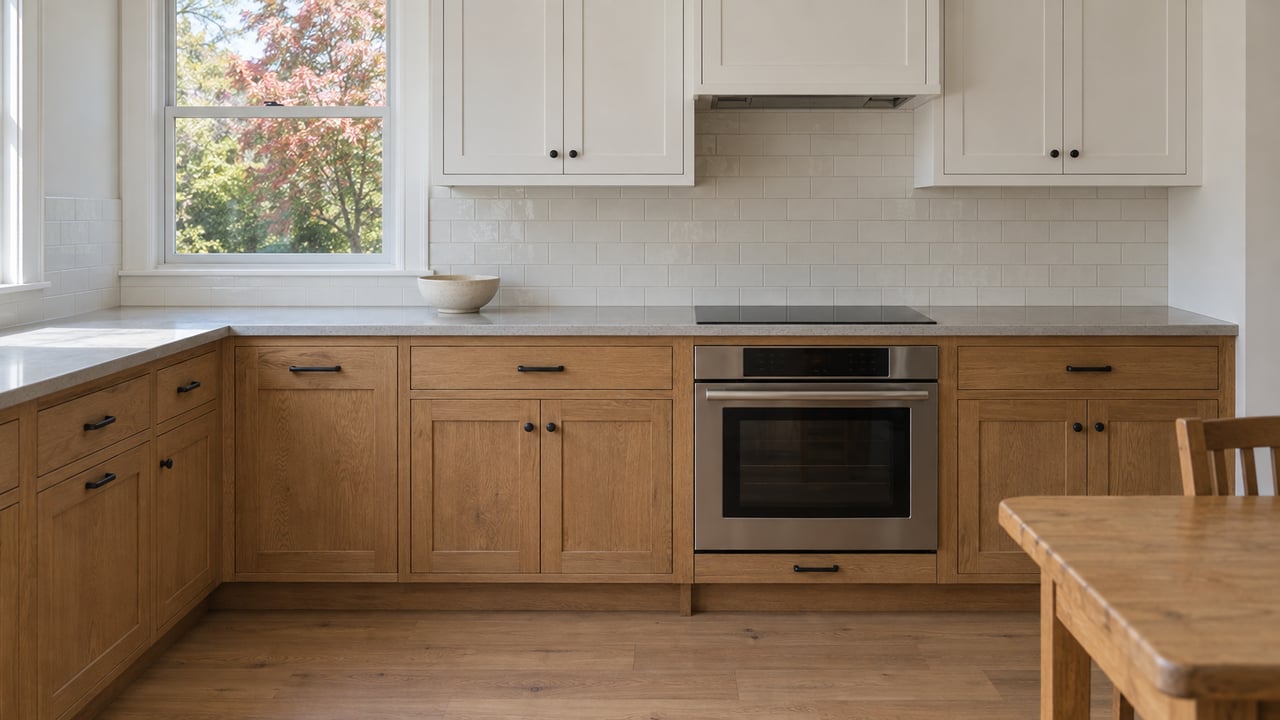
Presentation matters. Clean, well-maintained, move-in-ready homes often create stronger first impressions and may earn more attention early on. Small updates like fresh paint or newer appliances can improve appeal.
Still, presentation is not a substitute for correct pricing. A beautifully marketed home that starts too high can still sit. In many cases, sellers get the best early response from the combination of realistic pricing and polished presentation.
That fits the Quincy market well. Buyers may move fast on the right home, but they also compare value carefully. If your home looks great and feels priced in line with recent neighborhood activity, you are more likely to stand out for the right reasons.
Why overpricing can get expensive fast
At Quincy’s current price level, even small pricing changes mean real money. On a $655,000 home, a 1% move equals $6,550. A 2% move equals $13,100, and a 5% move equals $32,750.
That matters because buyers are still dealing with mortgage rates in the mid-6% range. Freddie Mac reported a 30-year fixed rate of 6.47% on June 18, 2026. When financing costs are elevated, even a modest bump in asking price can change a buyer’s monthly payment enough to affect interest and activity.
Property taxes add to the payment picture too. Quincy’s FY2026 residential tax rate is $11.78 per $1,000 of assessed value. A home assessed at $650,000 implies roughly $7,657 per year in property tax, or about $638 per month, before exemptions.
For buyers, that total monthly cost matters. That is one reason a home that feels just a little overpriced can lose momentum faster than sellers expect.
The first two weeks are especially important
Early market time often shapes the rest of your sale. Redfin notes that Quincy homes sell in about 21 days on average, while hot homes can go pending in around 14 days and sell for about 4% above list.
That early window is when your listing is freshest and gets the most attention. If the price matches the market, buyers are more likely to engage quickly. If the price misses the mark, your listing can lose urgency.
Longer days on market can also raise questions for buyers. A home that lingers may make people wonder whether the price is too high or whether something else is off, even when the issue is simply the opening ask.
Price cuts usually grow over time
Many sellers hope they can start high and reduce later if needed. The problem is that later reductions often have to be larger than expected.
NAR’s 2026 pricing discussion shows that average price cuts tend to grow as days on market increase. The figures reported are 4.9% after 0 to 14 days, 6.1% after 15 to 30 days, 7.3% after 31 to 60 days, 9% after 61 to 90 days, 10.6% after 91 to 120 days, and 13.8% after 120 or more days.
On a $655,000 home, a 4.9% cut is about $32,095. A 13.8% cut is about $90,390. That is why a slightly aggressive launch price can turn into a much bigger discount if the market does not respond.
Quincy examples show how outcomes can vary
Recent Quincy closings show how different results can be. Redfin highlights one home that sold for $500,000 after listing at $519,000 and spending 84 days on market. Another sold for $700,000 after listing at $699,000 and spending 50 days on market.
A third sold for $1,106,500 after listing at $995,000 and spending 37 days on market. These examples are not direct comps, but they show a key truth. Price alone does not determine the result.
Condition, buyer demand, neighborhood, and presentation all play a role. The goal is not to simply pick a high number. The goal is to pick a number that creates the strongest response from the right buyers.
How to choose the right asking price
If you want a practical way to think about pricing, focus on three things at the same time:
- Neighborhood comps: Look at recent sold homes, pending listings, and active competition near you.
- Property condition: Be honest about updates, layout, maintenance, and move-in readiness.
- Your timeline: Decide whether your priority is speed, maximum exposure, or testing a narrow range with room to negotiate.
Those three factors usually tell a clearer story than any citywide median can. They also help you avoid pricing for the market you remember instead of the market that exists today.
A smart pricing strategy for Quincy sellers
For many Quincy sellers, the best strategy is to aim for a price that feels competitive on day one, not aspirational after three weeks. In a market where homes are still moving in about 20 to 21 days, your first impression matters.
If your home is priced well, marketed well, and presented cleanly, you put yourself in a better position to attract serious buyers early. That can mean stronger offers, fewer days on market, and a smoother path to closing.
If you are getting ready to sell, pricing should not be a guess. It should be a local, data-driven decision based on your home, your neighborhood, and your goals. When you are ready for that conversation, Alex Rocher can help you build a pricing strategy that fits today’s Quincy market.
FAQs
How should you price a home in Quincy, MA?
- Start with recent comparable sales, active listings, pending homes, your property’s condition, and your specific Quincy neighborhood rather than relying on a citywide average.
What is the current Quincy, MA housing market like for sellers?
- Quincy remains competitive, with homes selling in about 20 to 21 days on average, about 3 offers per home on average, and roughly half of homes selling above list price.
Why do Quincy neighborhood comps matter when pricing a home?
- Quincy neighborhood prices and days on market vary widely, so a home in South Quincy may need a different pricing approach than a similar home in Marina Bay, Wollaston, or Quincy Center.
Can overpricing a Quincy home hurt the final sale price?
- Yes. Homes that sit on the market often need larger price cuts later, and those reductions can grow significantly as days on market increase.
Does home condition affect pricing in Quincy, MA?
- Yes. Condition, updates, layout, and move-in readiness all affect buyer interest, but even a well-presented home still needs to be priced correctly for the market.
How much difference does a small price change make in Quincy?
- At a $655,000 price point, a 1% change equals $6,550, so even small pricing adjustments can have a meaningful impact on buyer response and your net proceeds.