If you are thinking about buying in Pawtucketville, you are probably weighing the same question many buyers ask right now: can you find a home with value, convenience, and staying power without stretching too far on price? That is a real concern in a competitive market, especially when inventory is limited and every neighborhood comes with trade-offs. The good news is that Pawtucketville offers a mix of housing styles, a lower price point than several nearby suburbs, and strong access to outdoor spaces and local transit. Let’s take a closer look at what you should know before you make a move.
Pawtucketville at a glance
Pawtucketville is a neighborhood in Lowell with a housing mix that feels different from many one-note suburban areas. According to the city’s master plan, you will find newer suburban-style single-family homes, historic properties, and both single- and multi-family homes in more traditional compact neighborhood settings.
The neighborhood also varies from one area to another. East Pawtucketville has a larger rental presence near UMass Lowell’s North Campus, while West Pawtucketville tends to feel more suburban in lot size and street layout. For buyers, that means your experience can shift depending on the exact pocket you are considering.
Home styles you may see
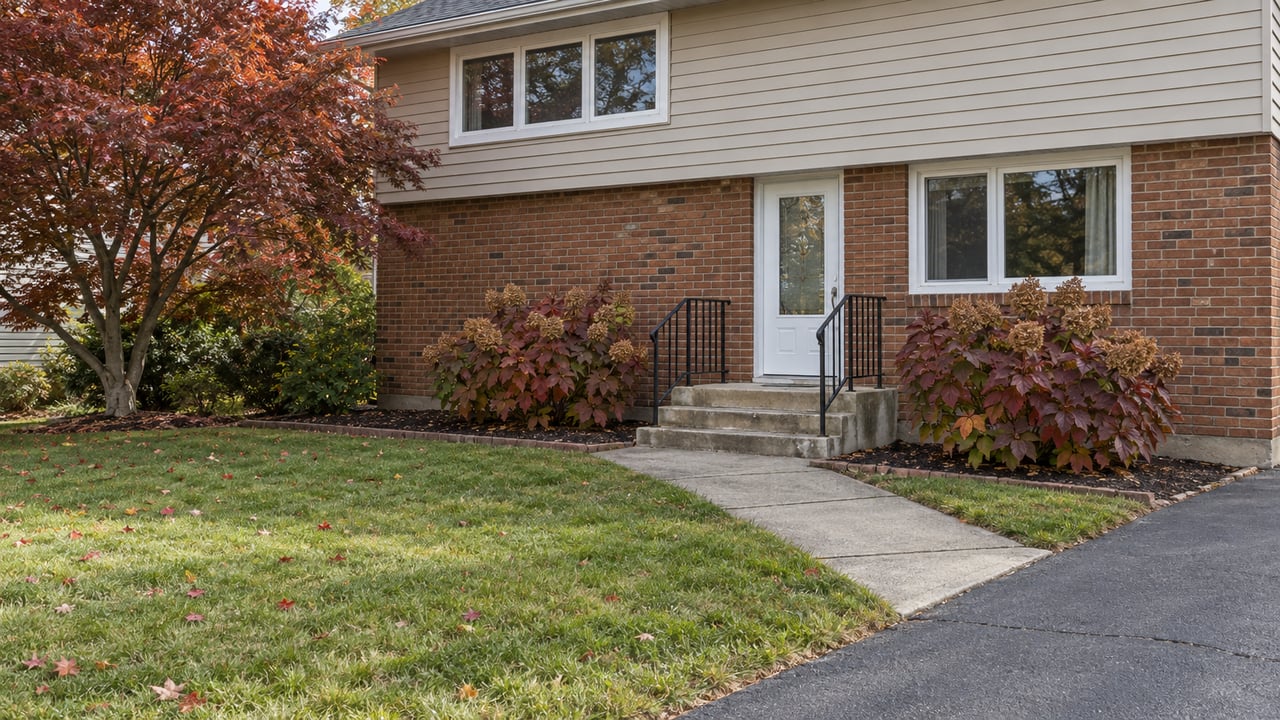
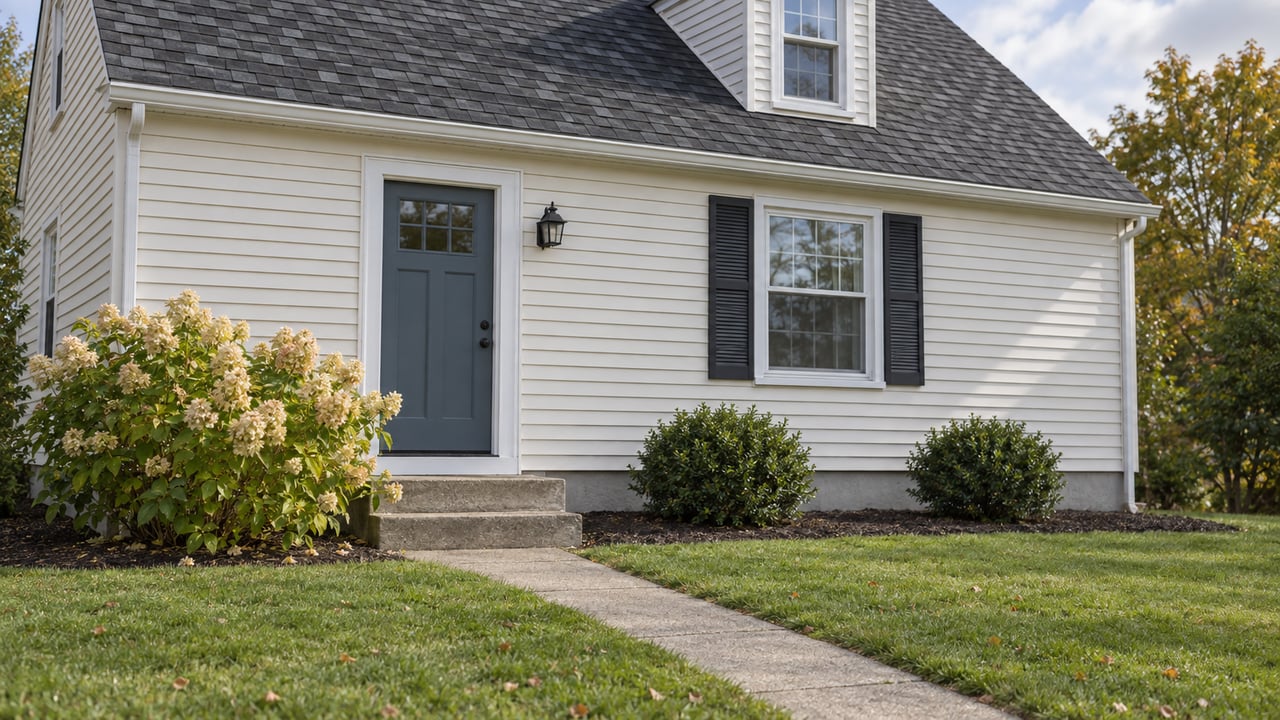
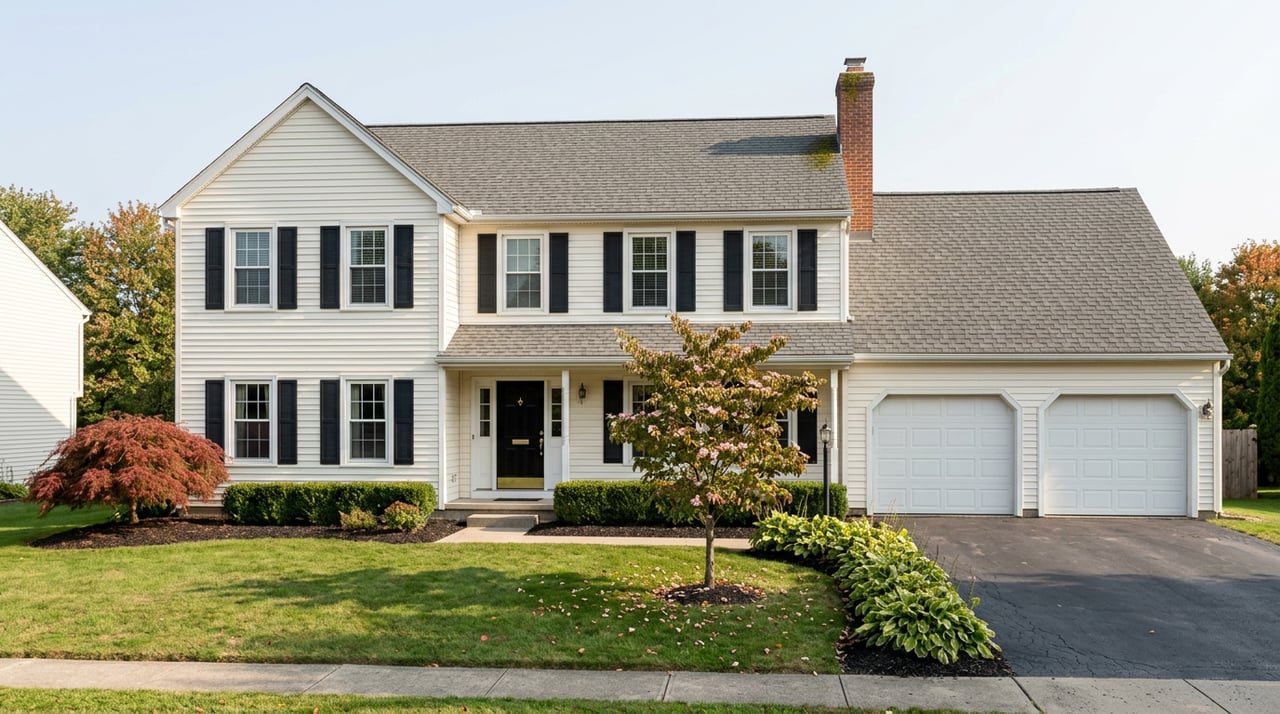
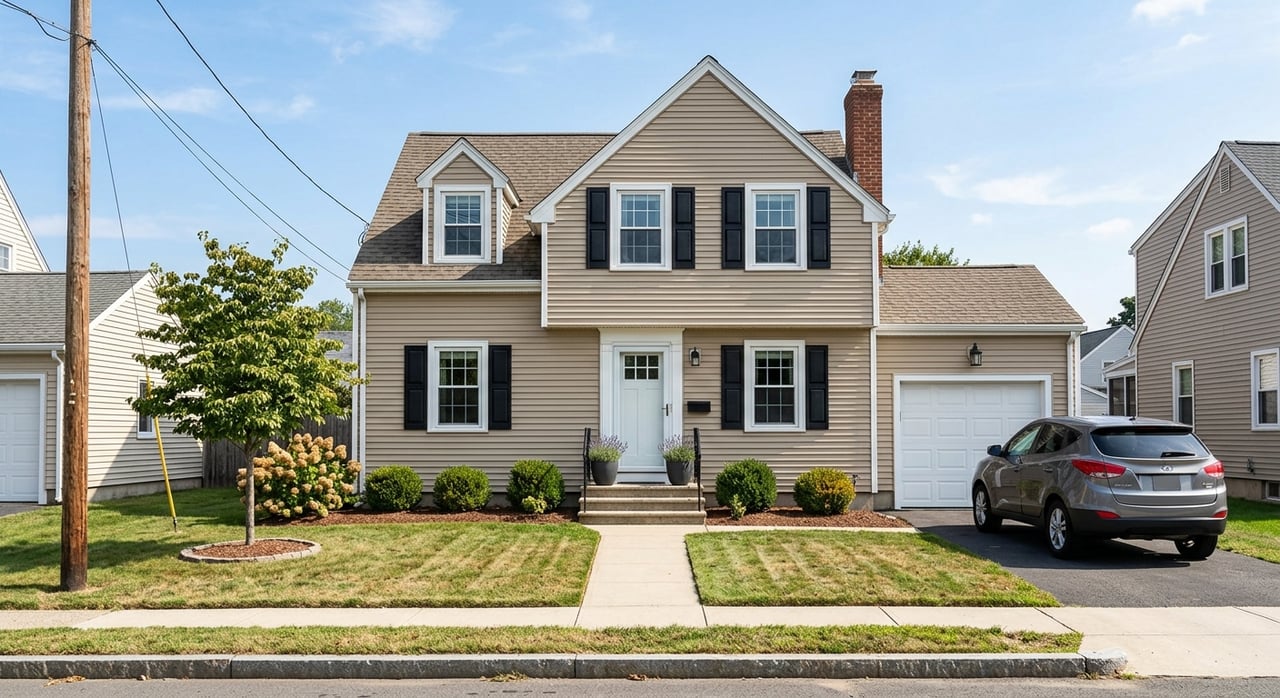
One of Pawtucketville’s strengths is variety. Recent listings in the area have included colonials, Dutch colonials, expanded capes, newer construction colonials, and former two-family homes that were converted to single-family use.
That variety can give you more flexibility when you start your search. If you want a more traditional layout, a newer build, or a property with a little more character, Pawtucketville may offer options that feel less uniform than nearby suburbs.
Why housing variety matters
A mixed housing stock can help you compare different price points and property types within the same neighborhood. Instead of looking at rows of similar homes, you may be able to weigh newer finishes against lot size, or historic character against updated systems.
That can be especially helpful if you are a first-time buyer or a buyer trying to balance budget with long-term goals. It gives you more ways to think about value beyond just square footage.
Pricing is one of the biggest draws
If affordability is part of your search, Pawtucketville stands out. Realtor.com’s latest neighborhood data shows a median listing price of $450,000, while Redfin reported a median sale price of $455,900 in March 2026.
That price point matters even more when you compare Pawtucketville with nearby Merrimack Valley suburbs. Based on the latest median list prices from Realtor.com, Pawtucketville is about $71,450 lower than Dracut, about $175,000 lower than Chelmsford, about $215,000 lower than Tewksbury, and about $249,450 lower than Billerica.
For many buyers, that makes Pawtucketville an appealing entry point. You may be able to stay closer to your target budget while still buying in an established neighborhood with access to daily essentials and regional connections.
Expect a competitive market
Lower pricing does not mean an easy search. Pawtucketville remains a tight market, with Realtor.com showing 15 homes for sale, a median of 21 days on market, and seller’s market conditions. The same data shows homes selling for about asking on average.
Redfin’s March 2026 data supports that pace, with 23 homes sold and a median sale price near current listing levels. In simple terms, buyers are still active, and well-priced homes may not sit long.
What limited inventory means for you
Selection is one of the biggest challenges in Pawtucketville. The neighborhood’s 15 active listings are fewer than the active counts in Dracut, Chelmsford, Tewksbury, and Billerica.
That does not mean you cannot find the right fit, but it does mean you may need to act with clarity. Knowing your budget, must-haves, and acceptable trade-offs before you tour homes can make your search more efficient.
Commute and access are important trade-offs
Every neighborhood has a give-and-take, and in Pawtucketville, access is one of the biggest points to think through. Lowell’s master plan notes that the neighborhood is somewhat disconnected from the rest of the city, with limited access to Route 3 and I-495 south of the Merrimack River.
The same plan also points to recurring bridge congestion during peak commuting hours. If your schedule requires frequent driving at busy times, this is something worth testing in real life before you buy.
Transit options can help
Public transit is available through LRTA Route 7, which serves Pawtucketville and UMass Lowell North. Current route information shows stops that include Kennedy Center, Lowell City Hall, UMass Lowell, Lowell General Hospital, Market Basket on Old Ferry Road, D’Youville Manor, Westminster Village Apartments, and Greater Lowell Technical School.
LRTA also reports that its fare-free pilot for fixed routes and Road Runner has been extended through June 30, 2026. For some buyers, that can add flexibility for daily errands, commuting, or getting around without relying on a car for every trip.
Regional rail access nearby
If you commute toward Boston, regional rail is part of the picture. UMass Lowell states that MBTA commuter rail offers regular service from Lowell’s Gallagher Terminal to Boston’s North Station and points in between.
That does not remove local traffic concerns inside or around the neighborhood, but it can expand your commuting options once you reach the station. For some buyers, that balance is workable and worth the price advantage.
Outdoor access is a major plus
One of Pawtucketville’s strongest lifestyle benefits is its access to outdoor recreation. Nearby, the Lowell-Dracut-Tyngsboro State Forest includes more than 1,000 acres of forest land with trails and year-round recreation, according to Mass.gov.
Lowell Heritage State Park adds another layer of appeal with a riverfront setting, a 2-mile waterfront stretch, a boat ramp, a bike path, picnic areas, and scenic viewing areas. If you like having open space close to home, this is a meaningful advantage.
Green space shapes day-to-day living
The city’s master plan highlights parkland, open space, the Merrimack River, and recreational links between the state forest and the waterfront. That mix gives the neighborhood more than just housing value. It adds places to walk, spend time outdoors, and enjoy the riverfront setting.
For many buyers, those everyday quality-of-life features matter just as much as bedroom count or kitchen updates. They can shape how a neighborhood feels once you actually live there.
Built environment and daily convenience
Pawtucketville is not just residential. The city plan identifies Lowell General Hospital, UMass Lowell, and business corridors along University Avenue, Mammoth Road, and Pawtucket Boulevard as key parts of the neighborhood’s built environment.
That can be a practical plus if you value proximity to major institutions, services, and commercial areas. It also helps explain why the neighborhood feels active and varied rather than purely suburban.
Is Pawtucketville right for your goals?
Pawtucketville may be a strong fit if you want a lower-priced option than several nearby suburbs and are comfortable with a smaller pool of available homes. It may also appeal to you if housing variety, transit access, and nearby outdoor amenities are high on your list.
At the same time, it is smart to go in with clear eyes. Inventory is limited, competition is real, and commute-related congestion is part of the neighborhood picture. The best buying decisions usually come from understanding both the upside and the trade-offs before you make an offer.
Smart steps before you buy
Before you start touring homes in Pawtucketville, it helps to narrow your plan.
- Set a realistic budget based on today’s pricing, not last year’s market.
- Decide which home style fits your needs best, such as colonial, cape, or converted single-family.
- Identify your non-negotiables, like parking, yard space, or number of bedrooms.
- Test drive your likely commute during busy hours.
- Explore nearby transit stops and the route to Gallagher Terminal if rail access matters to you.
- Visit local parks and riverfront areas to see how the neighborhood feels beyond the house itself.
Buying in a tight market is easier when you know what matters most to you. That kind of clarity can help you move quickly without feeling rushed.
If you are considering a move in Pawtucketville or anywhere nearby, Alex Rocher can help you break down the numbers, compare neighborhoods, and make a confident plan that fits your goals.
FAQs
What should buyers know about Pawtucketville home prices?
- Pawtucketville’s median listing price is $450,000, and recent data shows it is priced below nearby suburbs like Dracut, Chelmsford, Tewksbury, and Billerica.
What should buyers know about Pawtucketville inventory?
- Inventory is limited, with 15 homes for sale in the latest Realtor.com neighborhood data, so you may have fewer options at any given time.
What should buyers know about competition in Pawtucketville?
- Realtor.com classifies Pawtucketville as a seller’s market, with homes spending a median of 21 days on market and selling for about asking on average.
What should buyers know about commuting from Pawtucketville?
- Lowell’s master plan notes limited access to Route 3 and I-495 south of the Merrimack River, along with recurring bridge congestion during peak commuting hours.
What should buyers know about transit in Pawtucketville?
- LRTA Route 7 serves Pawtucketville and connects to destinations such as UMass Lowell, Lowell General Hospital, City Hall, and Kennedy Center, and LRTA says its fare-free pilot continues through June 30, 2026.
What should buyers know about outdoor amenities near Pawtucketville?
- Nearby outdoor assets include the Lowell-Dracut-Tyngsboro State Forest and Lowell Heritage State Park, which offer trails, waterfront access, picnic areas, and other recreation features.