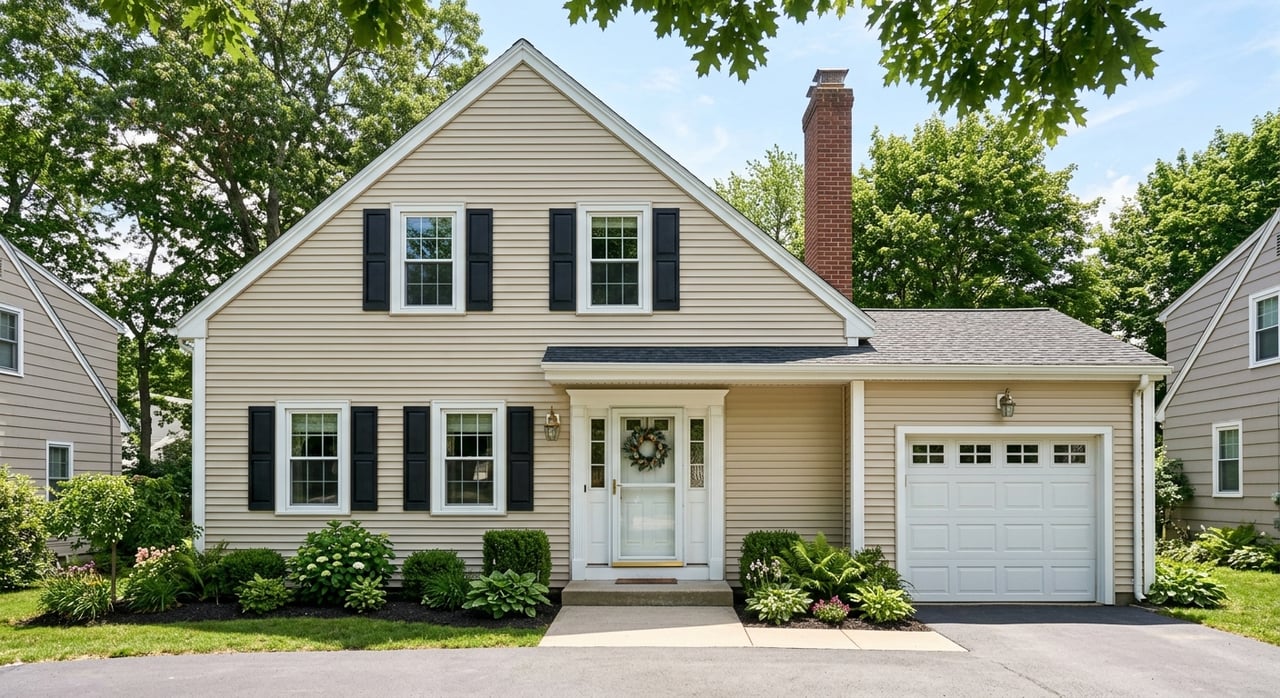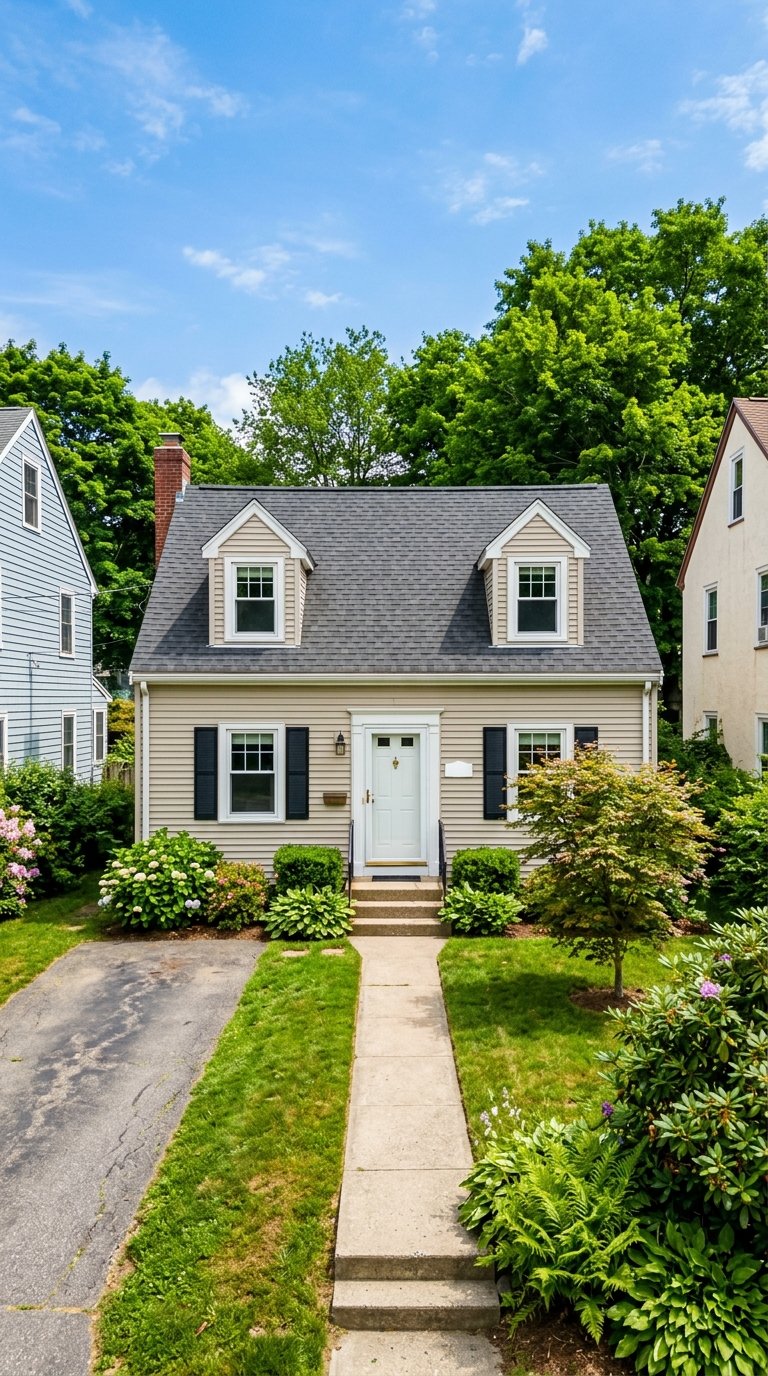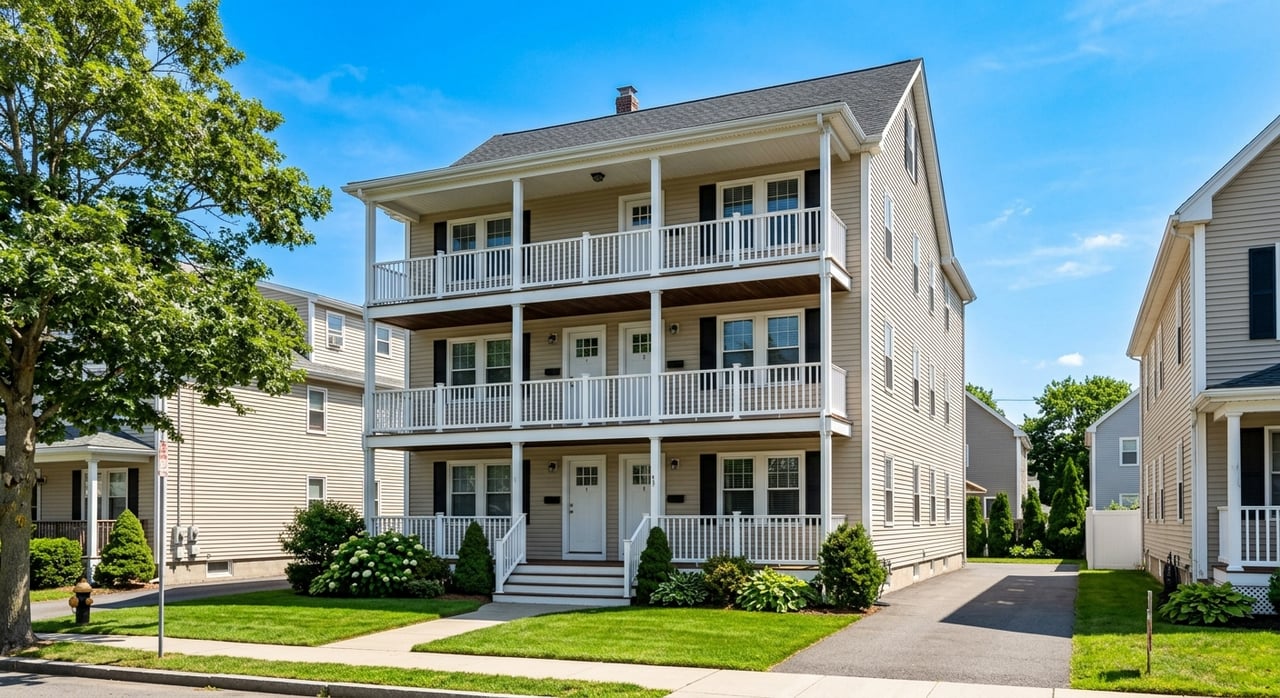
If you are looking at multifamily property in Brockton, it is easy to get distracted by price per unit or a seller’s projected upside. The better investors slow down and ask a different question first: does the real income support the deal? In a market with older housing stock, meaningful renter demand, and local compliance rules that can affect costs, careful underwriting matters. This guide walks you through how investors analyze Brockton multifamily deals so you can spot risk, test upside, and make smarter decisions. Let’s dive in.
Why Brockton Gets Investor Attention
Brockton has a large renter base and a housing stock that includes a meaningful share of small multifamily buildings. The city’s 2023 estimated population was 106,572, and 43.07% of occupied housing units were renter-occupied. That creates a strong reason for investors to study two-family, three-family, and small apartment properties closely.
The local housing inventory is also older than many suburban markets. About 36.64% of units were built in 1939 or earlier, and the median year built was 1959. In practical terms, that means Brockton deal analysis often centers on building condition, operating efficiency, and compliance more than on shiny finishes or new construction appeal.
There is also a broader housing supply story in the region. Massachusetts says the Old Colony area needs to add about 9,300 homes over the next decade. For investors, that supports the general demand case for rental housing, especially in a city with an established multifamily base.
Start With Property Type and Zoning
Before you analyze rents or financing, confirm what the property actually is. In Brockton, that means checking parcel records, use classification, and zoning. A listing might call something a multifamily opportunity, but your underwriting should begin with the city record, not the marketing language.
Brockton’s zoning code treats property types differently depending on district. In R-2 zones, two-family and three-family dwellings are principal permitted uses. In R-3 zones, multi-family uses are allowed, which can change how you think about future improvements or expansion.
This matters even more when you are evaluating redevelopment potential. Areas connected to Downtown/Trout Brook and Campello/South Main Street are tied to ongoing form-based zoning work. For some deals, that can create a different path to value than a basic hold-and-renovate plan.
When approval risk changes the deal
Larger projects can involve more process friction. Brockton’s site plan review rules apply to multifamily or apartment development over six units. The code also requires screening and green-space separation between apartment buildings with four or more units and nearby one-, two-, or three-family detached homes.
That means value-add in Brockton is not always just about interior updates. Sometimes the real question is whether the property’s future use, layout, or expansion plan triggers additional review, cost, or delay.
Build the Analysis From Income
Strong investors do not start with the asking price. They start with the current rent roll and work down to net operating income, or NOI. That is the number that helps you decide whether the property’s income actually supports its value.
The Appraisal Institute defines cap rate as the relationship between one year’s net operating income and the property’s value. In plain English, investors compare price to in-place NOI, then test whether the implied cap rate still makes sense after realistic adjustments for vacancy, taxes, insurance, management, and deferred maintenance.
Brockton’s local rent benchmarks can help you pressure-test a rent roll. The Brockton HUD Metro fair market rents for FY2026 are $1,761 for a one-bedroom, $2,311 for a two-bedroom, and $2,889 for a three-bedroom unit. These numbers are not a replacement for actual unit-by-unit comps, but they are useful when a seller’s rents look unusually high or unusually low.
Census QuickFacts also reports a median gross rent of $1,641 for 2020 through 2024. That broader figure helps frame the market, while property-specific comps should still guide the final rent opinion.
A simple Brockton income checklist
Before you trust the numbers, gather:
- Current rent roll
- Trailing 12-month income and expense statement
- Real estate tax bills
- Insurance costs
- Utility bills
- Permit records
- Rental registration status
- Any certificate or inspection history tied to unit turnover
For Brockton properties with four or more units, the city assessor specifically asks for income and expense statements in appeal review. That is another reason serious buyers should expect these records to be part of a proper analysis.
Adjust Hard for Taxes and Expenses
One of the most common mistakes in multifamily underwriting is using a loose expense estimate. In Brockton, local taxes deserve extra attention because they directly affect your NOI and cash flow. If you get this wrong, the whole deal can look better on paper than it should.
Brockton’s FY26 residential tax rate is $11.63 per $1,000 of assessed value. The commercial, industrial, and personal property rate is $23.23 per $1,000. The city also states that it does not offer a residential exemption, so you should not assume a local owner-occupant tax break that may exist elsewhere in Massachusetts.
That last point is especially important for house hackers and small multifamily buyers. If you are buying a two-family or three-family and planning to live in one unit, your model should still use the actual class rate that applies to the parcel. Do not build your numbers around a tax discount that Brockton does not provide.
Why older buildings need bigger reserves
Because so much of Brockton’s housing stock is older, deferred maintenance is a major part of underwriting. Roof age, heating systems, electrical updates, plumbing condition, and window replacement can all change your real return. Cosmetic upgrades matter, but they should never distract you from core systems.
In many Brockton deals, the hidden value or hidden risk sits behind the walls or in the basement. Investors usually look closely at mechanicals, code issues, parking, and whether past work appears consistent with permit history.
Check Compliance Before You Count Upside
Brockton requires annual rental-unit registration through the Public Health Division. The city’s building-code materials also state that owners must comply with the State Sanitary Code, State Building Code, and local housing rules. That makes compliance review a basic part of due diligence, not an optional extra.
The city also says that when a rental unit is vacated, it cannot be reoccupied until it is inspected and issued a certificate of fitness. For an investor, that can affect turn timelines, rehab planning, and carrying costs. If the seller’s story depends on quick lease-up after turnover, you need to confirm the unit can legally return to occupancy.
This is where permit history matters. Unpermitted work, missing registrations, or incomplete compliance records can delay your plan and increase costs after closing.
Use Comps the Brockton Way
In multifamily investing, a comp is not just a nearby building with a similar unit count. In Brockton, investors usually compare sale price, in-place income, expense structure, condition, and local compliance clues together. That gives you a more realistic picture of value than price per unit alone.
Brockton’s assessors maintain a GIS parcel search and review deed recordings and building permits to update records. Those city records can help you verify sale date, parcel classification, and permit history. If a comparable sale looks strong on paper but the records tell a different story, the comp may need a major adjustment.
What investors adjust for in Brockton
Common comp adjustments include:
- Age and condition of major systems
- Legal unit count versus marketed unit count
- Permit and renovation history
- Parking and site layout
- Rental registration and inspection history
- In-place rent level versus market-supported rent
- Tax burden based on parcel classification
This is why Brockton multifamily underwriting tends to be more detailed than a simple suburban price-per-door analysis. The local records and older building stock make verification part of the value process.
Match Financing to Unit Count
Financing can shift quickly depending on the number of units. For 1- to 4-unit properties, residential-style investor financing is often part of the conversation. Freddie Mac’s investment property mortgage program, for example, applies to 1- to 4-unit properties, and its published maximum loan-to-value for 2- to 4-unit investment property is 75%.
As the unit count rises, the debt structure often changes too. The research shows that many larger apartment deals move away from standard consumer mortgage logic and into business-purpose or commercial-style underwriting. That usually means a heavier focus on property income, expenses, reserves, and documentation.
For Massachusetts buyers, this 1-to-4 versus larger-property split is also reflected in state lending language. The practical takeaway is simple: do not assume a five-unit deal will underwrite like a three-family. It often will not.
Financing should match your exit plan
A two-family or three-family hold may be analyzed very differently from a larger apartment building or a redevelopment play. If your goal is stable long-term cash flow, you will focus heavily on current operations and realistic reserves. If your goal is repositioning or redevelopment, zoning, approvals, and timeline risk may carry more weight.
In either case, Brockton’s taxes, utility burden, and maintenance profile should be part of the pro forma from day one. A deal only works if the operating reality supports the financing structure.
A Repeatable Brockton Deal Framework
If you want a simple way to screen opportunities, use this five-step framework:
- Confirm parcel type and zoning. Verify whether the property is a two-family, three-family, larger multifamily, or mixed-use asset.
- Analyze the real income. Compare the rent roll against local benchmarks and calculate NOI from actual numbers.
- Adjust for condition and compliance. Factor in deferred maintenance, permits, registration, and inspection-related issues.
- Model taxes and financing accurately. Use Brockton’s actual tax rates and match your debt assumptions to the unit count.
- Separate hold deals from redevelopment deals. A corridor with zoning potential should be analyzed differently from a basic renovation property.
This kind of framework helps you stay grounded when listings promise easy upside. In Brockton, the best analysis usually comes from patient local verification, not aggressive assumptions.
If you are exploring a Brockton multifamily purchase and want a grounded, local perspective on how the numbers, zoning, and property story fit together, Alex Rocher can help you evaluate opportunities with clarity and confidence.
FAQs
How do investors analyze Brockton multifamily rents?
- Investors compare the current rent roll to unit-level market comps, then use Brockton-area fair market rent benchmarks and local median gross rent data as a reasonableness check.
What tax rate should you use for a Brockton multifamily deal?
- You should model the deal using the actual Brockton parcel class tax rate, with FY26 residential at $11.63 per $1,000 of assessed value and no residential exemption offered by the city.
Why does building age matter in Brockton multifamily investing?
- Brockton has a large share of older housing, so investors pay close attention to deferred maintenance, system age, code compliance, and renovation history.
What zoning should you check for a Brockton multifamily property?
- You should confirm the parcel type and district first, including whether the property is in an R-2 or R-3 zone and whether any larger development review rules may apply.
How does financing change for Brockton multifamily properties?
- Financing often stays in a more residential-style lane for 1- to 4-unit properties, while larger properties may be underwritten more like business-purpose or commercial deals.
What compliance items matter in Brockton rental property due diligence?
- Investors should review annual rental-unit registration, permit history, inspection status, and whether any vacated unit has the certificate of fitness needed for reoccupancy.